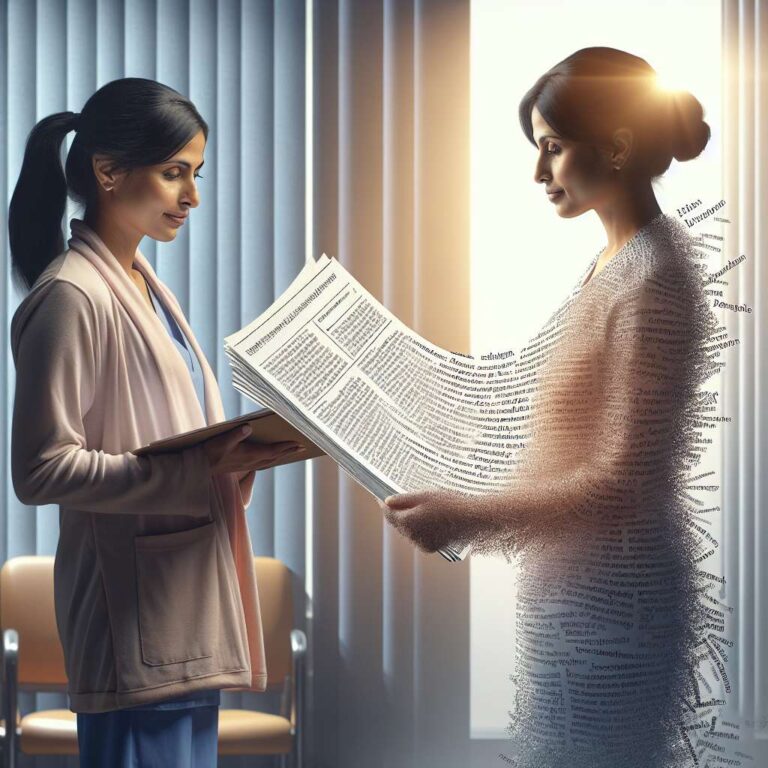
Stanford University researchers have unveiled a novel large language model, RadGPT, designed to bridge the comprehension gap between radiologists and patients by translating technical radiology reports into accessible, patient-friendly language. The inspiration for RadGPT centers on the challenge that most patients, who lack a medical background, face when interpreting specialized terminology in reports from MRIs, X-rays, CT scans and other imaging procedures. By converting phrases such as ´mild intrasubstance degeneration of the posterior horn of the medial meniscus´ into understandable analogies, RadGPT empowers patients with clearer insights into their diagnoses and potential follow-up actions.
RadGPT operates by extracting key concepts from radiologist-generated reports. It then provides understandable explanations and suggests possible questions patients might want to ask their healthcare provider. The development process involved reviewing 30 sample radiology reports, distilling 150 technical concepts, and crafting explanations alongside potential question-and-answer sets relevant to patient concerns. These materials underwent validation by five radiologists, who concluded that outputs from RadGPT were generally safe, with a low likelihood of medical ´hallucinations´ or misinformation—an essential requirement for any health technology application.
This breakthrough aligns with changes introduced by the 21st Century Cures Act in the United States, which mandates that patients have electronic access to their radiology reports. However, mere access does not translate to understanding. Stanford researchers believe that by demystifying medical jargon, RadGPT will foster greater patient engagement, facilitate more productive communication between patients and providers, and ultimately improve the quality of care. Although RadGPT currently works only after a radiologist has dictated a report and is not able to interpret raw scans autonomously, early evaluation suggests it could become an important tool in both patient education and radiologist workflow, potentially easing clinical workload and reducing burnout. The system´s creators emphasize the importance of further testing in real clinical environments before widespread implementation but are optimistic about its potential to enhance patient experiences and outcomes in radiology.