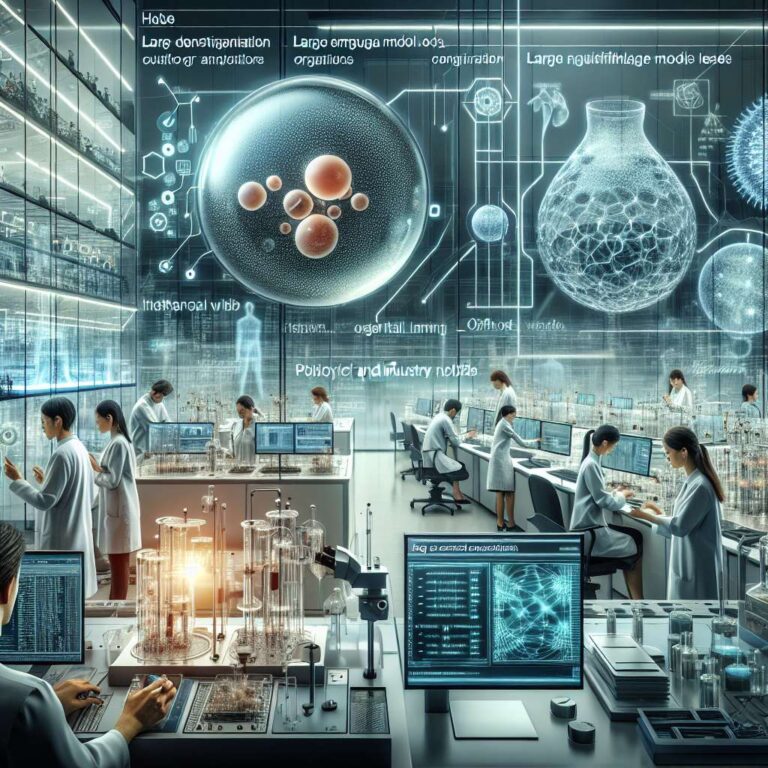
Researchers in Beijing are using advanced microfluidic chips and human tissue models to closely mimic the earliest stages of human pregnancy outside the body. In three recent papers published by Cell Press, scientists describe how they took human embryos from IVF centers and merged them with organoids made of endometrial cells, which form the lining of the uterus. The resulting images resemble the beginning of a natural pregnancy, as a ball shaped embryo presses into the uterine lining, grips tight, and begins to burrow in while the first tendrils of a future placenta appear, capturing the critical implantation moment in unprecedented detail.
The newsletter also turns to the inner workings of large language models, focusing on how parameters shape their behavior. A large language model’s parameters are described as dials and levers, like billions of paddles and bumpers in a planet size pinball machine that send signals pinging through the network. OpenAI’s GPT-3, released in 2020, had 175 billion parameters. Google DeepMind’s latest LLM, Gemini 3, may have at least a trillion parameters and some observers think it is probably more like 7 trillion, but the company is not disclosing specifics as competition intensifies and Artificial Intelligence firms stop sharing model details. Despite these differences, the basics of what parameters are and how they let models perform their most impressive tricks remain consistent across systems.
Energy and climate policy are another focus, as the future of offshore wind power in the US faces new legal threats. On December 22, the Trump administration announced it would pause the leases of five wind farms currently under construction off the US East Coast, ordering developers to stop work immediately. Officials cited concerns that turbines can cause radar interference, an issue developers and the government have been working on for years. Companies have already filed lawsuits, and court battles could begin as soon as this week, raising fresh uncertainty for a sector that is already struggling. The newsletter rounds out with links on lawsuits over Artificial Intelligence companions and young people’s deaths, new Artificial Intelligence powered health tools, humanoid robot training centers in China, the limits of current job automation, and the ethical limbo facing millions of frozen IVF embryos around the world.