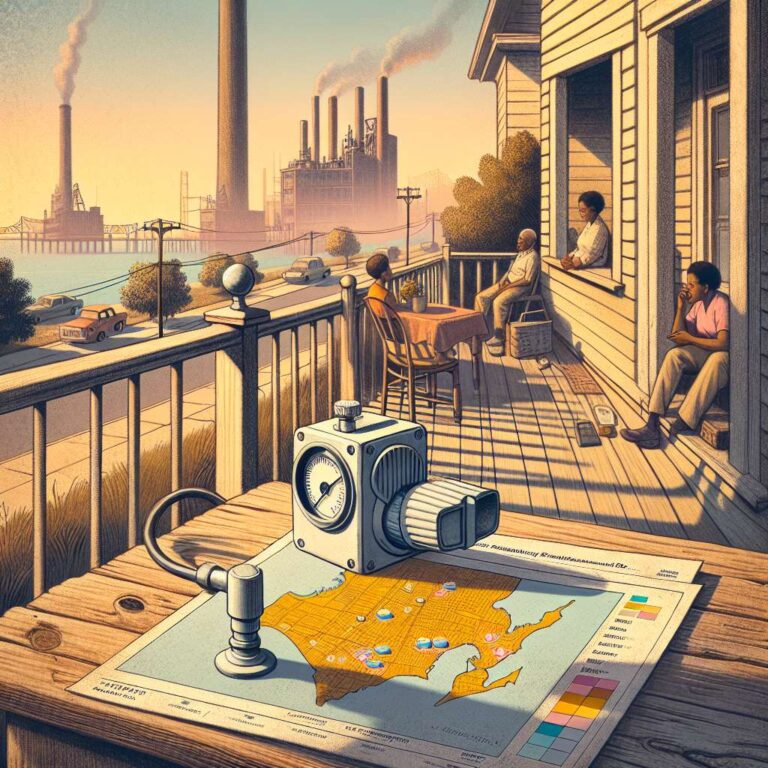
When Darren Riley relocated to Detroit, his unexpected diagnosis of adult-onset asthma revealed a deeper crisis: persistent, invisible air pollution plaguing marginalized communities. This personal health challenge prompted Riley to investigate why clean air data was so scarce and inaccessible, ultimately motivating him to seek technical solutions for community-scale issues. In response, Riley founded JustAir, a Michigan-based clean-tech venture that builds hyper-local air quality monitoring networks. The company’s mission is to democratize access to environmental data, equipping residents and policymakers with actionable insights to manage pollution and improve public health outcomes.
JustAir emerged amidst the COVID-19 pandemic as research increasingly linked health inequities to environmental factors like air quality. By partnering with local governments, health departments, and Detroit community members, JustAir has deployed sensor networks that deliver real-time neighborhood-level pollution data. Support from the Michigan Economic Development Corporation (MEDC) and its SmartZones—regional hubs offering funding, mentorship, and business resources—proved crucial to JustAir’s early development. Leveraging grants and accelerators, Riley’s team solidified product-market fit and rapidly expanded the company’s reach in ways both technically and socially meaningful.
Success for JustAir is measured not just by business growth, but by communal impact. The startup’s partnership with Wayne County Health Department led to one of the largest county-owned monitoring networks in the United States, deploying over 100 fixed sensors to address what is among the nation´s worst asthma rates. Recognition followed: in 2025, Fast Company named JustAir one of its most innovative companies in the social good category. Riley credits both a strong sense of community and the Michigan startup ecosystem for propelling the company forward. His advice to entrepreneurs is clear—nurture passion and surround yourself with supportive peers. For Detroit’s communities, JustAir means more than technology: it represents self-advocacy, environmental justice, and the ability to claim ownership over solutions that shape a healthier future.