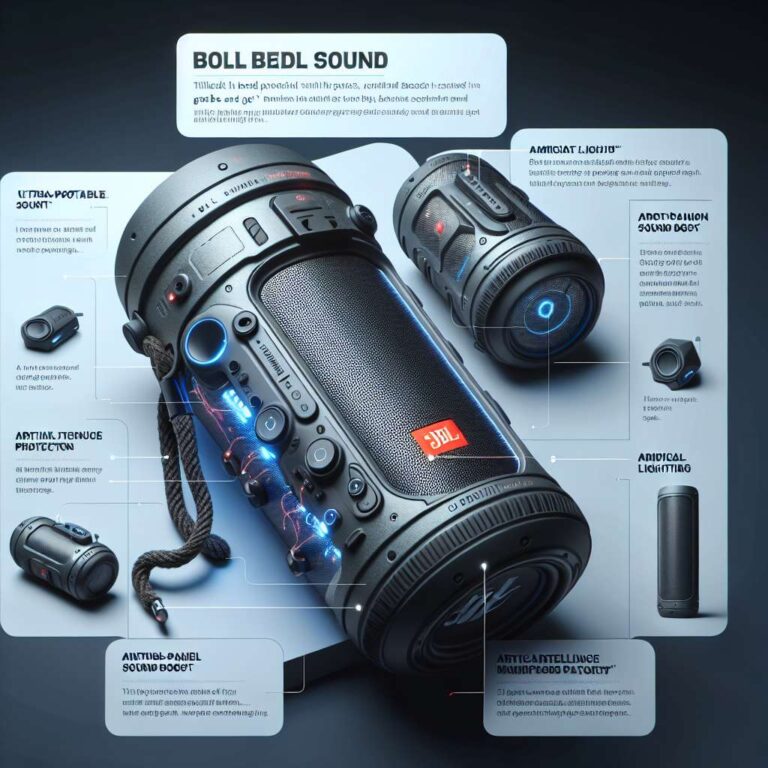
JBL introduced the Grip, a new ultra-portable Bluetooth speaker built for grab-and-go use. The design is ergonomically inspired by the proportions of a seltzer can and includes a back-panel rope loop for easy carrying. Key physical features called out in the article include customizable ambient lighting, intuitive touch controls and IP68 dust and water protection, positioning the product as adaptable for a range of listening environments.
On sound, the Grip delivers a quoted 16 W output and features JBL Pro Sound. The speaker includes a feature described as Artificial Intelligence Sound Boost, which the article says provides more powerful and deeper bass without distortion. Users can pair two Grip speakers for stereo playback. The article also highlights support for Auracast to connect multiple compatible speakers for broader sound coverage.
The story frames the Grip as small in size but focused on bold sound and portability. The article does not state pricing or availability details. Other logistics and technical specifics beyond the 16 W output, IP68 rating and the named features are not stated in the article. Images accompany the announcement, but the article does not provide further specifications such as battery life, charging method or exact dimensions.