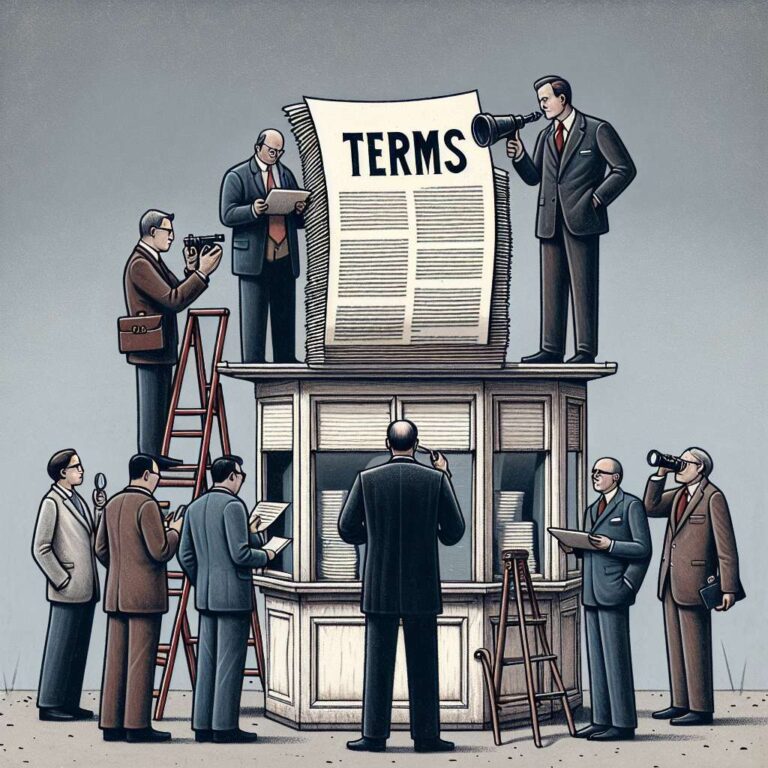
The Japan Fair Trade Commission will soon launch an investigation into the business dealings between media companies and the information technology firms that provide generative artificial intelligence search services. The probe is driven by suspicion that some companies’ unapproved use of news articles could qualify as an abuse of a superior bargaining position, which is prohibited under the country’s Anti-Monopoly Law. Regulators are concerned that the growing reliance on conversation-based search and chat services may be reshaping the economics of online news distribution in ways that disadvantage publishers.
The investigation will reportedly target conversation-based artificial intelligence search providers such as OpenAI Inc.’s ChatGPT and Perplexity Inc. along with Google LLC, Microsoft Corp. and Line Yahoo Corp., which offer similar services or operate news distribution platforms. Artificial intelligence chatbots respond to user prompts with answers that summarize information pulled from multiple sites, and use is growing as many users see them as a faster alternative to scanning pages of traditional search results. However, media organizations and regulators have raised concerns that these artificial intelligence generated answers may be built on news articles that have been scraped or reused without proper authorization, payment or transparency.
Determining the actual terms of transactions between artificial intelligence service providers and media companies, including fees for article usage, has so far proven difficult for authorities. Following the new investigation, the Fair Trade Commission is expected to report any potential Anti-Monopoly Law violations it identifies and issue recommendations for corrective measures. The inquiry builds on a 2023 Fair Trade Commission report that examined relationships between news platform operators and media outlets and warned that if a dominant platform operator used its stronger position to create a disadvantage it would constitute “an abuse of a superior bargaining position under the Anti-Monopoly Law.” That earlier report cited unilateral contract changes or excessively low usage fees as examples of problematic behavior, and the current probe will also review what improvements have been made on those issues.