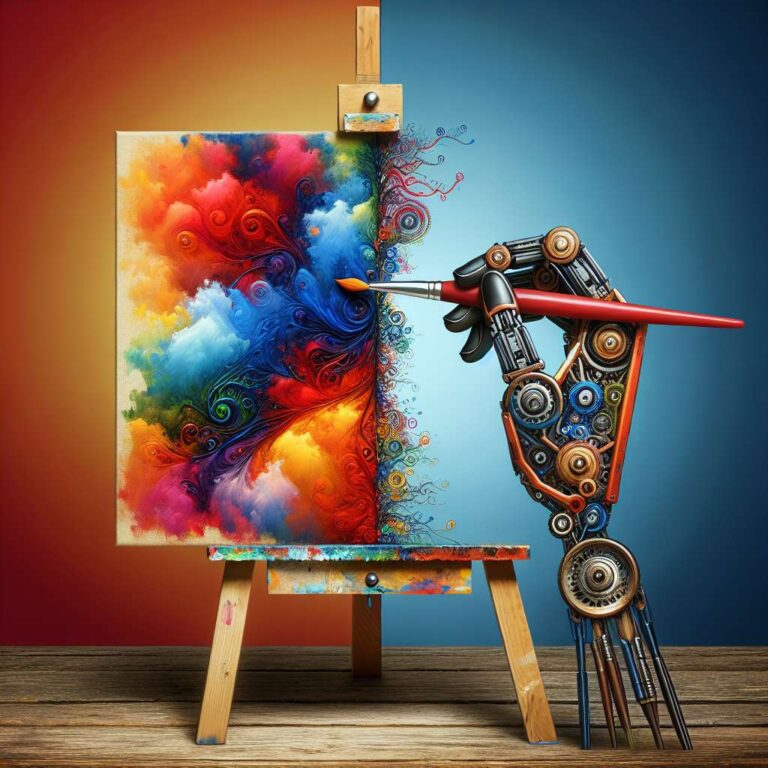
The creative sector is undergoing a profound transformation as artificial intelligence pushes deeper into creative workflows, from design and advertising to music and film production. For many, this influx signals a new era of possibility: artificial intelligence is cast as a creative sidekick, accelerating tedious production tasks and unleashing fresh brainstorming power. Notable examples include the Oscar-winning film ´Everything Everywhere All at Once,´ where generative video tools like Runway allowed a small team to achieve striking visuals previously out of reach for indie budgets. Leaders at major agencies, such as WPP, echo a vision of artificial intelligence as an enabler, freeing up humans to focus on ideation, emotional nuance, and cultural context while machines handle repetitive execution.
Yet, apprehension simmers across the industry. Concerns mount that artificial intelligence could act as a stealth rival, competing for creative jobs and, in some cases, eroding the perceived value of human ingenuity. High-profile initiatives—from Meta´s ambitions for self-generating ad campaigns to generative music deepfakes—have stirred anxiety about mass job displacement and loss of authorship. Hollywood writers’ and actors’ strikes in 2023 foregrounded these fears, resulting in new agreements that enshrine human authorship and compensation when artificial intelligence is involved. Artists and designers are wary of generative image models trained on copyrighted works without consent, citing both legal and ethical challenges. In music and advertising, backlash to artificial intelligence-generated content, such as Coca-Cola’s AI remix of a classic ad or viral tracks mimicking superstar voices, has laid bare industry trepidation about authenticity and emotional resonance being lost.
Between optimism and alarmism, a nuanced middle path is emerging. Rather than heralding the end of human creativity, forward-thinking studios and agencies are integrating artificial intelligence with care—upskilling teams to prompt, curate, and ethically guide machines. Custom ´walled garden´ models, creative prompt engineering, and new ethical standards aim to empower creators while protecting originality and legal norms. Regulation, transparency, and fair compensation discussions are intensifying. For those willing to adapt, artificial intelligence offers a toolkit to democratize creative production and unlock new efficiencies, elevating human creatives as curators and editors-in-chief. The industry’s future likely rests in striking a balance: leveraging machine speed and scale without abandoning the core human qualities—insight, emotion, storytelling—that give art and culture their magic.