
Intel completes ‘Project Pelican’ Malaysia packaging fab for EMIB and Foveros

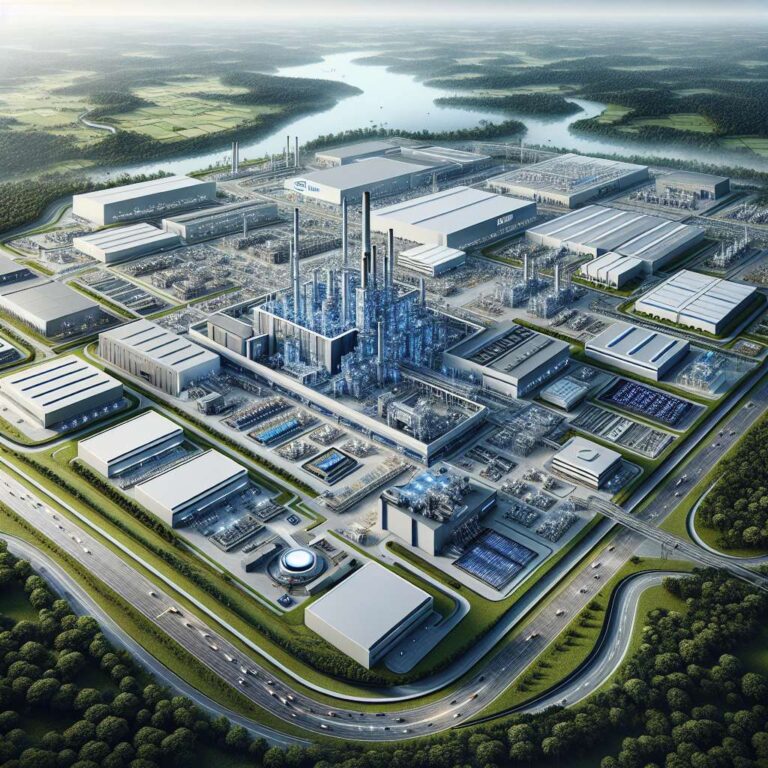
Intel has entered the final phase of its 'Project Pelican' advanced packaging complex in Malaysia, with the site 99% finished and an additional $200 million planned to complete the facility. The site will support EMIB and Foveros flows and help address orders from large Artificial Intelligence customers.

Intel has entered the final phase of its ‘Project Pelican’ advanced packaging complex in Malaysia, with the site reported as 99% finished by Malaysian Prime Minister Anwar Ibrahim. The company will invest an additional $200 million to complete the site and values the project at approximately $7 billion. Intel said the facility is intended to establish Malaysia as a regional hub for its advanced packaging operations.

The new Pelican building is expected to significantly increase packaging throughput and could potentially double the capacity originally planned for Intel’s New Mexico campus. The project completion comes after years of shifting plans and fluctuating demand for high-end packaging, which previously led Intel to scale back some earlier projects. The announcement frames the Malaysia facility as a strategic move to boost production flexibility and regional capacity.

The Malaysia site will be equipped for die sort and die prep operations and will support both EMIB and Foveros packaging flows, enabling Intel to respond more quickly to customer needs. Intel is also expanding its EMIB packaging capabilities by partnering with long-time OSAT partner Amkor. According to earlier reports, Intel has started EMIB assembly at Amkor’s facility in Incheon, South Korea, to manage a surge in orders from large Artificial Intelligence customers. The combination of the Pelican complex and expanded partnerships is positioned as a rapid response to unexpected market demand.
55

Impact Score

Microsoft previews Shader Model 6.10 for gpu Artificial Intelligence engines

Microsoft has introduced Shader Model 6.10 in AgilitySDK 1.720-preview with a new matrix API designed to unify access to dedicated gpu Artificial Intelligence hardware from AMD, Intel, and NVIDIA. The change is aimed at making neural rendering features easier to deploy across multiple vendors with a single programming model.

Europe’s Artificial Intelligence challenge is structural dependence

Europe has talent, research strength, and rising investment in Artificial Intelligence, but startups remain reliant on American infrastructure, platforms, and late-stage capital. The argument centers on digital sovereignty, interoperability, and ownership as the conditions for building durable European champions.

Community backlash slows Artificial Intelligence data center expansion

Political resistance, regulatory scrutiny, and rising energy and water concerns are complicating the build-out of large Artificial Intelligence data centers across the United States. The pressure is increasing costs, delaying projects, and adding fresh risks to the economics behind Generative Artificial Intelligence infrastructure.

House panel advances export controls after China report

The House Foreign Affairs Committee moved export control legislation after a House Select Committee report detailed China’s use of illegal means to build its Artificial Intelligence and semiconductor sectors. The measure is aimed at chip smuggling and Artificial Intelligence model theft.

Contact Us

Got questions? Use the form to contact us.

Contact Form

Clicking next sends a verification code to your email. After verifying, you can enter your message.