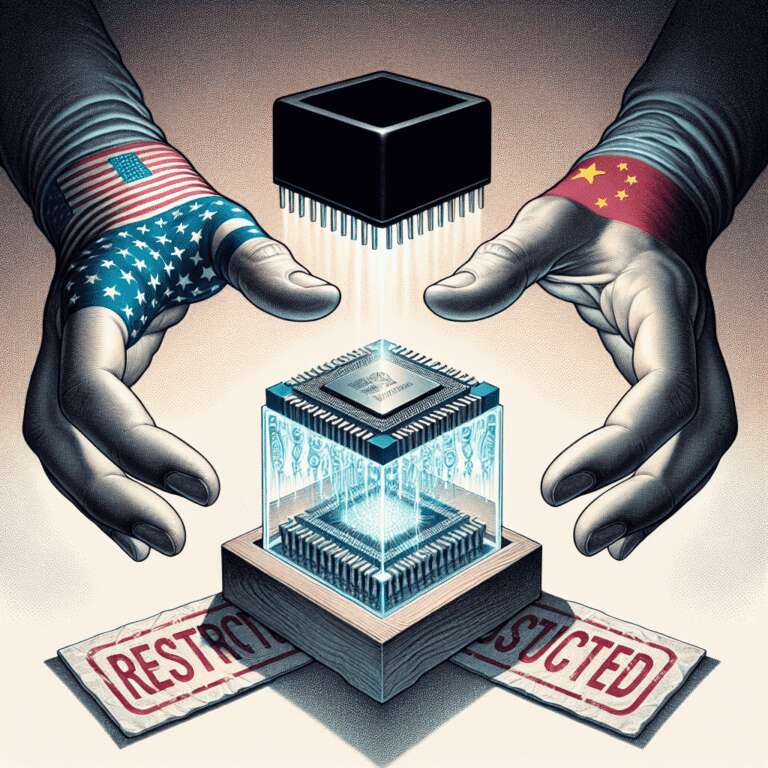
Intel has become the latest American semiconductor giant subjected to US export curbs, following a move previously made against Nvidia, restricting the supply of advanced Artificial Intelligence chips to China. The regulatory shift underscores expanding efforts by Washington to limit Beijing´s access to cutting-edge computing technology, aiming to maintain US leadership in strategic tech domains while addressing national security concerns. These export restrictions specifically target high-performance chips crucial for powering Artificial Intelligence systems, including those used in data centers and machine learning platforms.
The curbs are expected to have significant ramifications for the global semiconductor industry. As China is one of the largest buyers of advanced chips, these constraints threaten to disrupt existing supply chains and contracts, altering the competitive landscape for chipmakers worldwide. Companies may be compelled to redesign products or pivot to other markets, while Chinese technology firms could accelerate efforts to develop domestic alternatives. The ripple effect may also impact global research, as access to top-tier chipsets is vital for Artificial Intelligence innovation, potentially slowing progress or driving fragmentation in standards and collaborative projects.
Policy analysts warn that the continued tightening of export regulations could spark retaliatory measures from China, further intensifying the tech rivalry between the two powers. For the broader tech industry, the decision highlights an uncertain future for cross-border technology exchange, with industry leaders and stakeholders monitoring developments closely. As the US government balances competition and security, the pace and trajectory of Artificial Intelligence advancement worldwide may be shaped as much by policy as by technology.