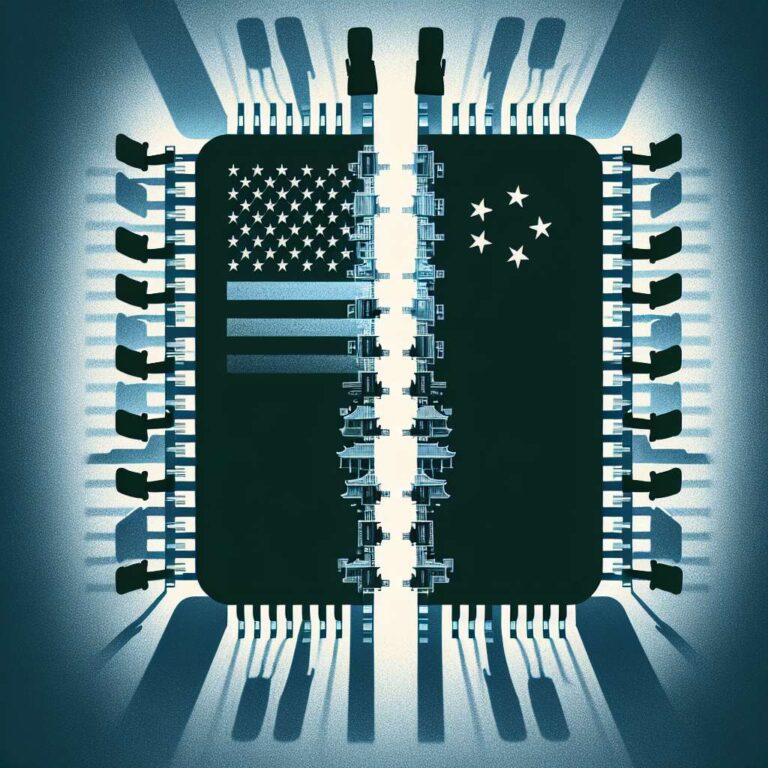
Intel´s newly appointed CEO, Lip-Bu Tan, has come under scrutiny from US lawmakers due to his extensive and ongoing financial ties to China. Senator Tom Cotton has directly questioned Intel´s board, seeking an explanation for how Tan´s longstanding investments in Chinese technology companies align with Intel’s pivotal role in America´s semiconductor supply chain. Cotton cited investigative findings indicating that, through his venture capital firm Walden International, Tan maintains stakes in more than 600 Chinese companies, including several involved in China´s military sector.
In a letter to Intel Chair Frank Yeary released on Wednesday, Cotton demanded written assurance that Tan has divested from any enterprises listed on the Treasury´s blacklist. The senator emphasized that Intel must act as a responsible steward of taxpayer dollars, particularly as the recipient of significant US government support. Cotton warned that Tan’s associations may call into question Intel´s ability to meet security obligations and regulatory compliance required for participation in critical national technology initiatives.
While current regulations do not prohibit Walden International from investing in Chinese startups, the context is complicated by Intel’s recent windfall from the Biden administration. In September, Intel was awarded several billion dollars in direct funding under the CHIPS and Science Act for its Secure Enclave program. This injection of federal support comes as US lawmakers intensify their scrutiny of potential foreign entanglements within the leadership of key domestic technology players. The pressure on Intel is mounting, as the company faces one of its most challenging periods in recent history, with concerns extending beyond immediate financial performance to broader questions of governance and national interest. The company’s board and executive leadership are now tasked with demonstrating transparency and alignment with US security and economic priorities amidst these rising tensions.