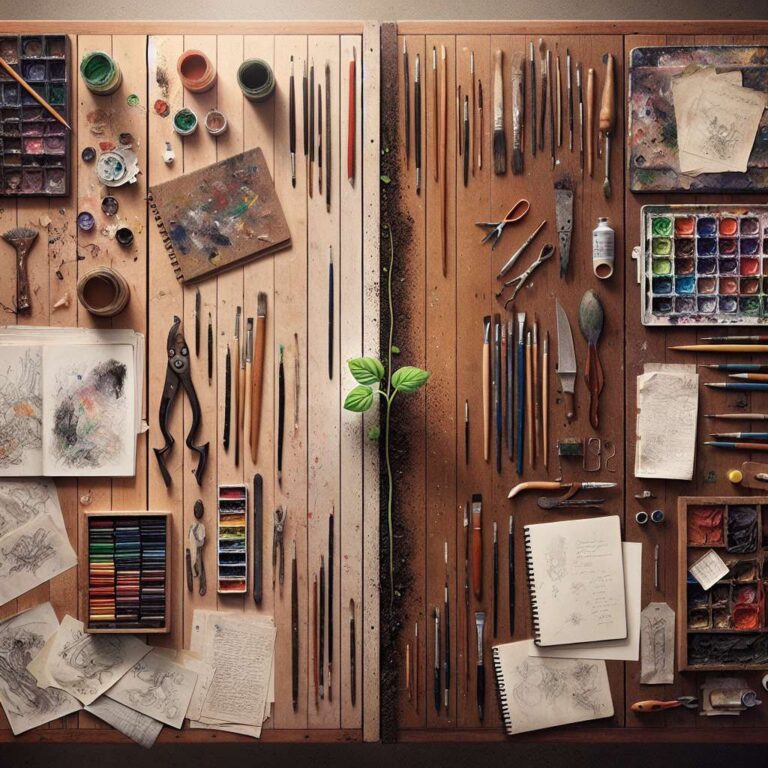
As breakthroughs in Artificial Intelligence become more frequent, concerns about the preservation of genuine human creativity have moved to the forefront. While automation and advanced algorithms promise efficiency and transformation in various sectors, they also raise questions about what aspects of creativity are uniquely human and how they should be protected.
The increasing prominence of technology in creative industries is prompting a reassessment of the definition and value of creative work. Many experts and advocates argue that, in a world dominated by Artificial Intelligence-driven tools, the distinctiveness of human expression, intuition, and emotion must be recognized as irreplaceable assets. This has spurred discussions about policy measures, educational reforms, and industry guidelines aimed at maintaining space for human creativity alongside technological progress.
Some suggest active steps such as fostering creative thinking skills, supporting original arts and literature, and implementing regulations to ensure transparency in Artificial Intelligence-generated works. These efforts acknowledge that while technology can augment and inspire, it should not overshadow or replace genuine human contribution. The debate continues as society seeks a balance that benefits from the power of Artificial Intelligence without compromising the natural and essential spark of human innovation.