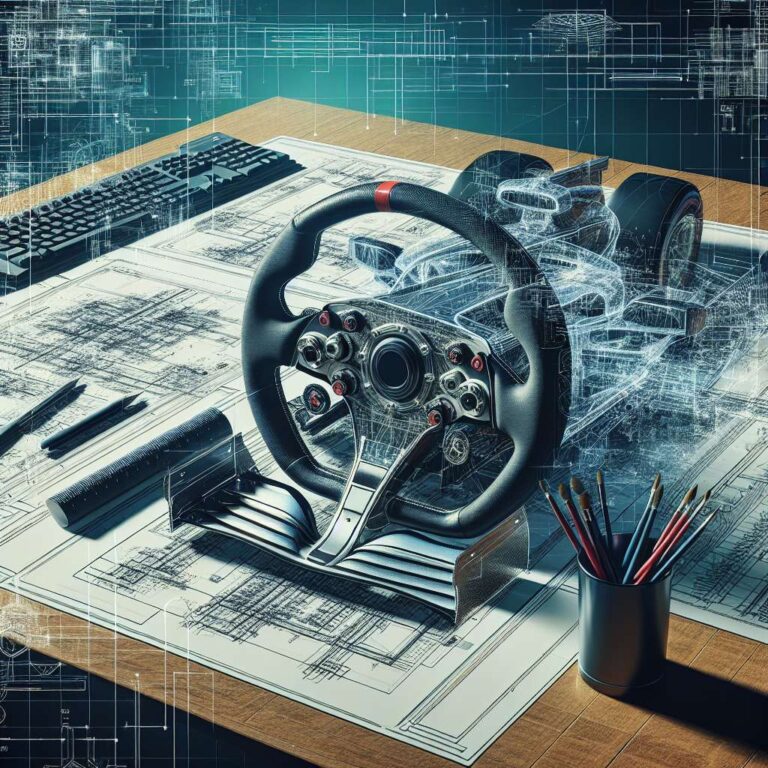
In Formula 1, margins are tiny and stakes are enormous. Teams blend the intuition and experience of engineers and drivers with the computational speed of artificial intelligence to squeeze performance gains from every session. That pairing is not a simple substitution of machines for humans; it is an engineered collaboration that amplifies strengths. Humans set priorities, interpret context and make final calls. Artificial Intelligence ingests telemetry, surface conditions and historical outcomes at a scale no human can match. Together they create a feedback loop that sharpens setup choices and race tactics.
Where artificial intelligence contributes is specific and measurable. Telemetry streams from cars every lap and generates a torrent of variables: temperatures, suspension loads, engine metrics and more. Machine learning models detect subtle patterns, flag anomalies and forecast failures before they appear on the pit wall. During races those models run simulations in seconds, estimating tire wear under shifting weather and predicting opponent strategies. The result is realtime decision support that narrows options and accelerates calls. Teams also use virtual testing to evaluate countless setup permutations, saving track time while iterating far more scenarios than physical trials would allow.
The implications for business leaders are direct. Artificial intelligence is most effective when it augments, not replaces, human judgment. Use it to process complexity and surface high-confidence options so experts can focus on interpretation, creativity and risk tradeoffs. Speed of decision making improves because scenario modeling is faster, not because humans are bypassed. And virtual simulation enables low-cost experimentation: test ideas, stress scenarios and refine plans before committing scarce resources. That approach moves organizations from intuition-only moves to evidence-guided strategies.
Adoption does require planning: clear strategy, investment in the right tooling and training teams to work alongside models. The article suggests executives explore targeted courses and resources to build those capabilities, pointing to provider offerings that translate Formula 1 practices into business-ready methods. In short, the competitive edge comes from combining human context with machine scale, not from chasing automation for its own sake.