Artificial Intelligence has moved from experimental to indispensable in content workflows. Tools such as Jasper, Copy.ai and OpenAI’s GPT models now help creators brainstorm, draft, and refine articles in minutes. According to HubSpot’s 2024 report cited in the article, businesses using Artificial Intelligence writing assistants saved an average of 33% of their production time while increasing publishing frequency. That speed and consistency allow smaller teams and solo entrepreneurs to compete with larger organizations by focusing human effort on higher-level strategy and storytelling.
Modern digital intelligence reduces the risk of cookie-cutter outputs by learning brand guidelines, tone preferences, and niche subject matter. The Washington Post’s Heliograf and experiments by brands such as Coca-Cola illustrate how organizations combine machine suggestions with editorial oversight. Visual design has also been democratized by platforms including MidJourney, DALL·E and Canva’s Magic Studio. The article notes a Statista projection that the global Artificial Intelligence design tools market will surpass Not stated by 2027. At the same time, legal disputes such as Getty Images’ lawsuits highlight unresolved copyright and originality concerns when models are trained on existing art.
Personalization at scale is now practical. Examples include Netflix’s recommendation systems and a McKinsey finding referenced in the article that advanced personalization strategies can drive 5–15% revenue growth. Video production tools like Runway Gen-2, Pictory and Descript turn text into video and simplify editing, enabling creators to produce more high-quality material faster. SEO platforms such as SurferSEO and Clearscope, together with signals like Google’s Search Generative Experience in 2024, help writers optimize structure and discoverability in real time.
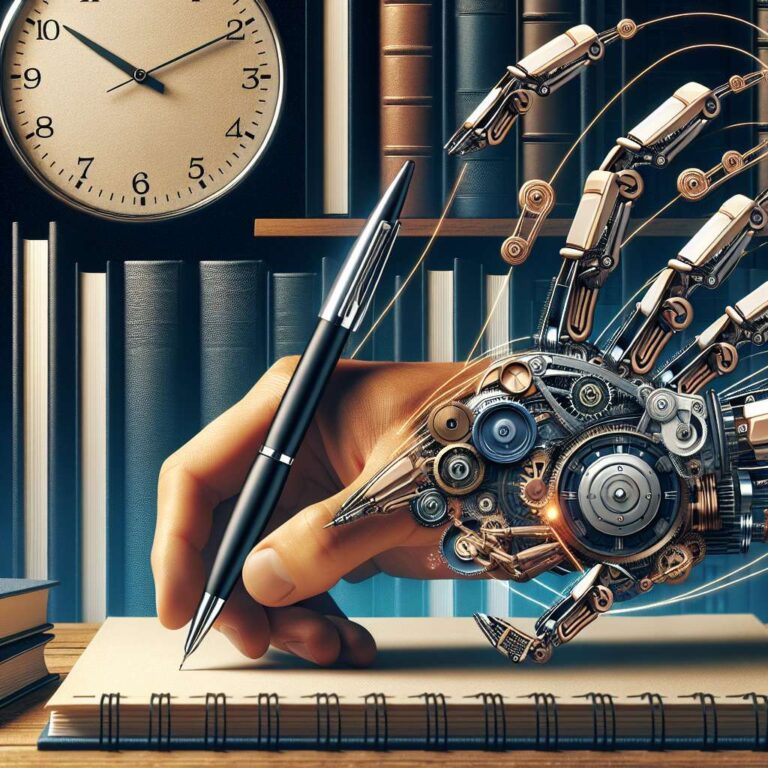
The article frames the shift as collaboration rather than replacement. Transparency and ethics matter: Edelman’s Trust Barometer finds 61% of consumers trust brands that disclose Artificial Intelligence use, and Deloitte data cited shows organizations that pair human creativity with Artificial Intelligence efficiency can see up to 20% higher productivity. PwC research referenced reports up to 40% cost savings for small businesses using Artificial Intelligence in marketing. Looking ahead, the piece highlights investments by companies such as Adobe and Microsoft in predictive creativity and anticipates stronger regulation as governance catches up with innovation. The core takeaway is practical: use Artificial Intelligence to amplify human strengths while maintaining ethical guardrails and authentic brand voice.