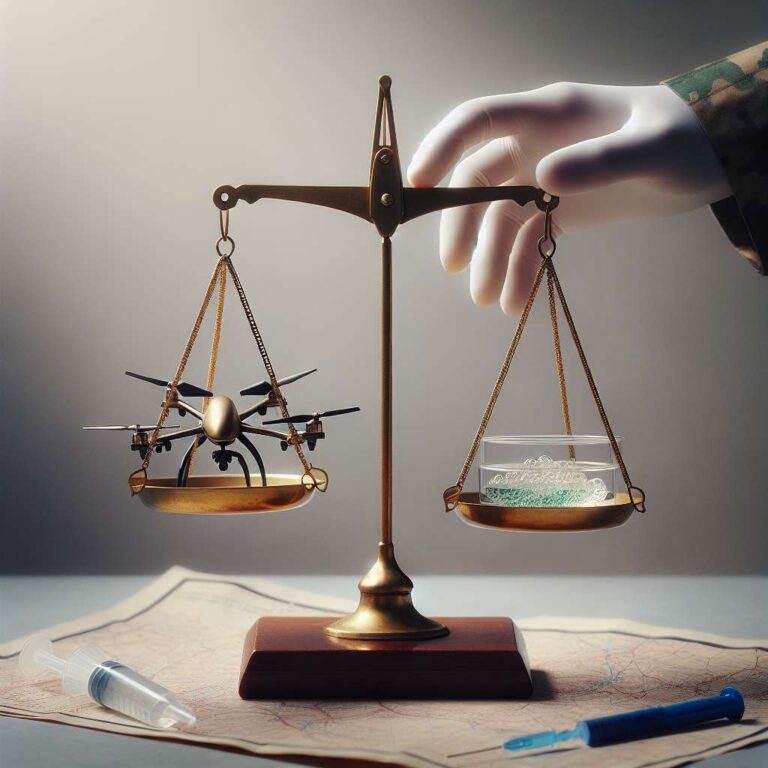
Today’s edition of The Download leads with a feature from the State of Artificial Intelligence series by Helen Warrell and James O’Donnell that imagines how Artificial Intelligence could transform warfare. In a hypothetical July 2027 crisis over Taiwan, autonomous drones with Artificial Intelligence targeting capabilities, coordinated Artificial Intelligence-generated cyberattacks and an Artificial Intelligence-powered disinformation campaign combine to overwhelm defenses and blunt global outrage. The piece frames a core tension: commanders seek faster and more accurate digitally enhanced forces while critics warn that increasing reliance on Artificial Intelligence risks rapid escalation and erosion of ethical and legal oversight.
The newsletter also spotlights shifts in clinical work as demand for in vitro fertilization increases. Embryologists, long responsible for overseeing embryo development and lab environments, are under growing pressure as clinics struggle to keep pace. Klaus Wiemer, a veteran embryologist and lab director, argues that Artificial Intelligence could predict embryo health in real time and unlock new productivity in IVF labs. The story underscores how a named job title, embryologist, may evolve as clinics adopt more automated decision support.
The must-reads roundup pulls together ten notable technology stories from around the web. Highlights include warnings from big tech job cuts and growing public unease about Artificial Intelligence, Iran’s cloud seeding efforts amid drought and flooding, the potential military uses of air taxi startups, competition between pharmaceutical giants over weight-loss drugs, confusion around the US TikTok ban, cocoa production challenges in the Congo Basin, Russia’s crackdown on military bloggers, the auto industry’s interest in humanoid robots, Indian startups challenging ChatGPT’s Artificial Intelligence dominance, and tiny sensors tracking butterfly migrations.
The edition closes with a quote from Sundar Pichai about the precarious nature of the Artificial Intelligence bubble and a nostalgic feature by Jon Keegan on how the 1980s Armatron toy robotic arm inspired modern robotics. Lighter items under the newsletter’s “we can still have nice things” section include cultural finds such as Library of Congress acquisitions and early images from the forthcoming Legend of Zelda film.