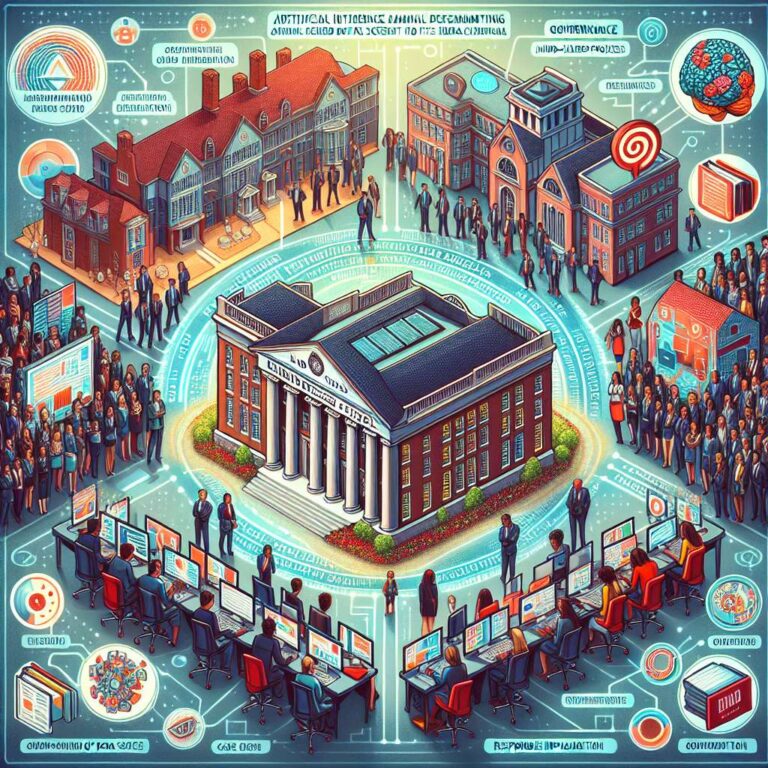
Harvard Business School is integrating artificial intelligence and data science into its core MBA curriculum in order to prepare future leaders to build, scale, and govern technology across a wide range of industries. The program is designed to develop both technical fluency and strategic judgment, so that graduates can navigate rapid advances in digital tools while remaining grounded in management fundamentals. Instruction is anchored in the school’s case method, which uses real-world business situations to surface the strategic, ethical, and organizational questions triggered by emerging technologies.
Hands-on learning is positioned as a central element of the retooled curriculum, giving students direct exposure to how artificial intelligence and data science are applied in practice. Through projects and experiential work, students learn how to evaluate new technologies, design and scale products and services, and address governance issues that arise when organizations adopt automated decision making. The emphasis is on preparing both founders and executives to drive change responsibly, balancing innovation with consideration for stakeholders and long-term impact.
Harvard Business School frames this shift as part of a broader, lifelong learning journey rather than a contained 2-year campus experience. Graduates are connected to a continuing network of peers, faculty, and resources intended to help them adapt as technology continues to evolve. The school presents leadership in the artificial intelligence era as an ongoing commitment, with alumni engagement and executive education extending the reach of the new curriculum so that managers can return for updated thinking and skills over the course of their careers.