
Generative artificial intelligence may spur headcount growth as tech c-suite expands

Generative artificial intelligence is reshaping business models and could also drive increases in headcount as technology executive ranks broaden.

The article examines how generative artificial intelligence is changing the way companies operate and suggests that those changes could lead to net increases in employment within technology functions. Rather than only automating tasks and reducing roles, the piece argues that adoption of generative artificial intelligence may create new responsibilities, expand strategic programs and require additional specialists to manage tooling, integration and oversight.

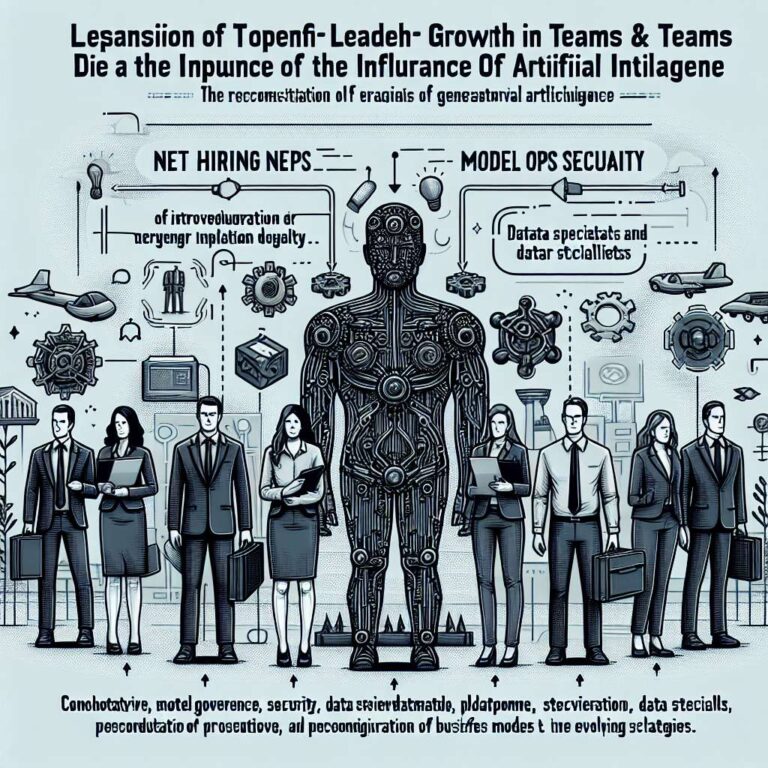
It highlights implications for corporate leadership, noting that technology executive ranks may broaden as organizations respond to the complexity and opportunity of generative artificial intelligence. The article explores the prospect of an expanded tech c-suite, with more senior roles focused on model governance, security, data stewardship and cross-functional deployment. Those shifts at the executive level could cascade into hiring across engineering, product, compliance and operations to support scaled use of generative artificial intelligence.

The reporting frames these developments as part of a broader reconfiguration of business models. As companies incorporate generative artificial intelligence into workflows and customer offerings, they may rethink team structures, talent strategies and investment priorities. The article raises questions about how firms will balance automation gains with the need for new capabilities and leadership, and it suggests that hiring trends and organizational design will be central to how enterprises capture value from generative artificial intelligence.
55

Impact Score

Trump signs Artificial Intelligence cybersecurity order

The White House moved to strengthen Artificial Intelligence-enabled cybersecurity across government systems, with specific protections for rural hospitals. Health Catalyst also agreed to divest Vitalware, while digital health companies announced food access, workforce and cybersecurity initiatives.

Getty ruling leaves Artificial Intelligence training law unresolved

A UK High Court decision narrows one route for copyright claims against generative Artificial Intelligence models but leaves the legality of training on copyrighted works unanswered. Stability Artificial Intelligence avoided broad copyright liability, while a limited trade mark finding keeps output risk in focus.

Nvidia unveils physical Artificial Intelligence research tools

Nvidia is rolling out physical Artificial Intelligence research tools, agent workflows and open source models aimed at autonomous vehicles, robots and vision systems. The releases emphasize virtual training and testing before real-world deployment.

FDA faces pressure over clinical Artificial Intelligence policy

The Trump Administration is seeking faster pathways for some clinical trials while FDA policy on clinical Artificial Intelligence remains under scrutiny. Critics say the agency’s medical device framework is not keeping pace with tools already reaching patients abroad.

Contact Us

Got questions? Use the form to contact us.

Contact Form

Clicking next sends a verification code to your email. After verifying, you can enter your message.