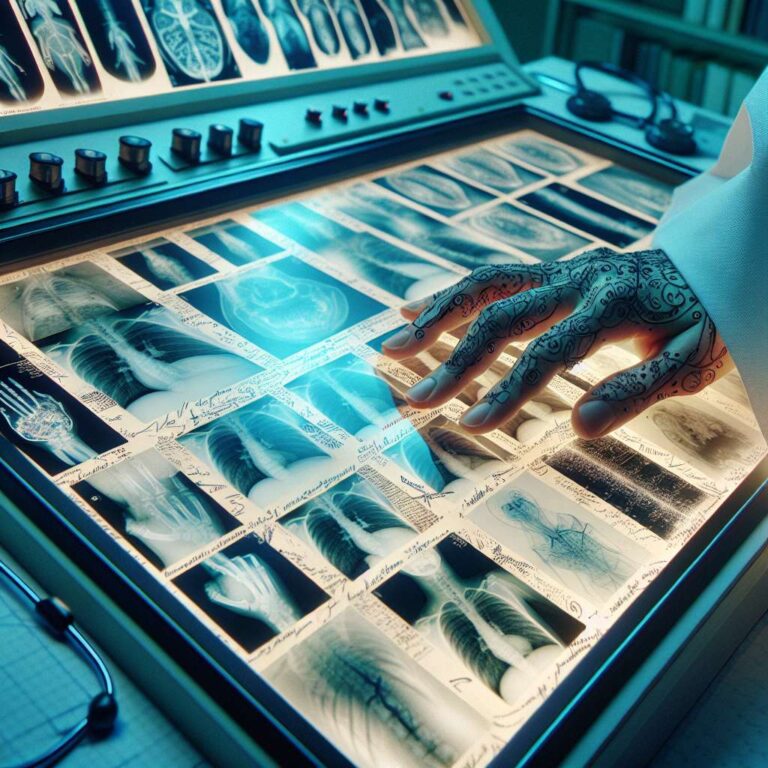
Medical researchers and industry experts are focusing on how artificial intelligence is being developed and used with medical imaging in clinical and research environments. The work centers on understanding how automated analysis can support or augment human interpretation of imaging data, from early detection to ongoing monitoring of disease.
Discussion among these groups highlights the ways artificial intelligence tools are being integrated into existing imaging workflows. Researchers are examining practical applications, such as identifying patterns in scans more quickly, assisting in triage, and flagging anomalies that may warrant closer human review. Industry experts are contributing perspectives on product development, regulatory considerations, and real world deployment in hospitals and clinics.
Collaborative efforts emphasize both opportunities and constraints in bringing artificial intelligence into medical imaging. Key themes include the importance of reliable data, the need for validation across diverse patient populations, and the balance between automation and clinician oversight. Together, these researchers and experts are exploring pathways for responsible adoption of artificial intelligence that can enhance imaging driven diagnosis and treatment without displacing critical human judgment.