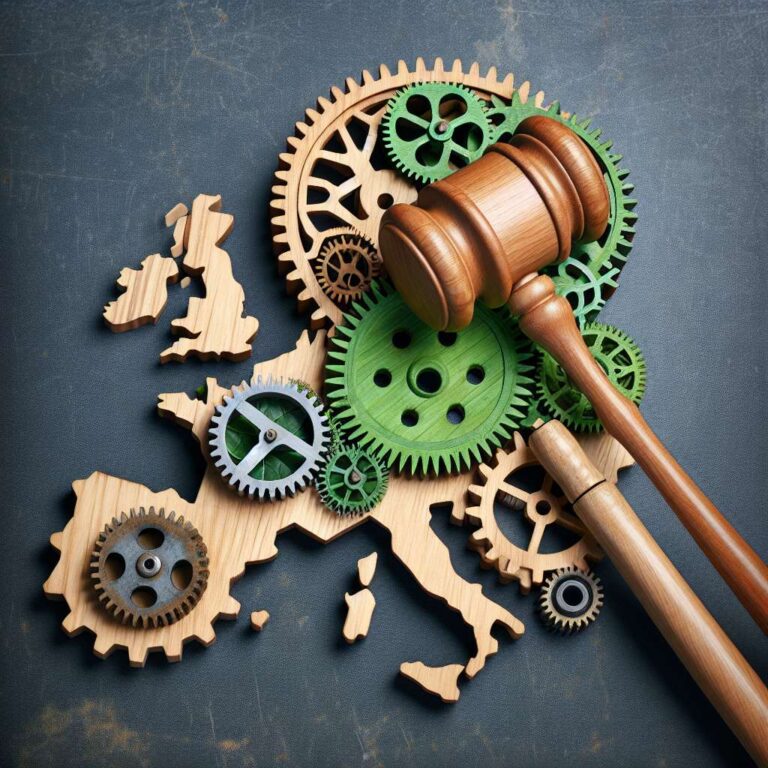
The legal landscape in the European Union is rapidly evolving, as seen through a series of recent updates spanning technology regulation, environmental stewardship, labor reforms, and cross-border business. Notable topics dominating the sphere include fresh guidance and enforcement initiatives around Artificial Intelligence, robust climate-related rules, renewed sanctions frameworks, and a deepening commitment to corporate transparency and anti-corruption.
Across June 2025, regulatory briefings highlight the European Commission´s publication of a Q&A on Artificial Intelligence literacy, alongside finalized guidelines from the European Data Protection Board regarding data transfers and Artificial Intelligence-related data protection. New Pay Transparency Directives continue to challenge member states to pursue gender pay equality under standards for both ´equal work´ and ´work of equal value.´ The month also saw crucial updates on the EU’s ongoing response to the Russian invasion of Ukraine, with a 17th sanctions package tightening export controls and targeting networks circumventing restrictions, notably the so-called ´shadow fleet.´
Environmental and sustainability priorities remain front and center, with significant developments such as the regulation of sustainable aviation fuel across the UK, EU, and USA, as well as complex guidance for navigating the Carbon Border Adjustment Mechanism. Additionally, headline changes like the relaxation of certain sanctions against Syria and new provisions for forced labor and modern slavery in supply chains underscore the EU´s willingness to adapt and recalibrate its legal tools. Compliance teams must also keep pace with evolving reporting obligations on per- and polyfluorinated substances—PFAS—reflecting a push towards greater environmental accountability within the bloc.
Corporate and legal practitioners operating across the EU, UK, and beyond are urged to remain attentive to this fast-moving regulatory scene. From Artificial Intelligence governance frameworks that challenge traditional hiring and recruitment paradigms, to policy updates impacting contract provisions and cross-border investments, the ongoing wave of legal change offers both challenges and opportunities. The European Union continues to stand at the forefront of regulatory innovation and enforcement, shaping the future of business, technology, and human capital in a rapidly shifting global context.