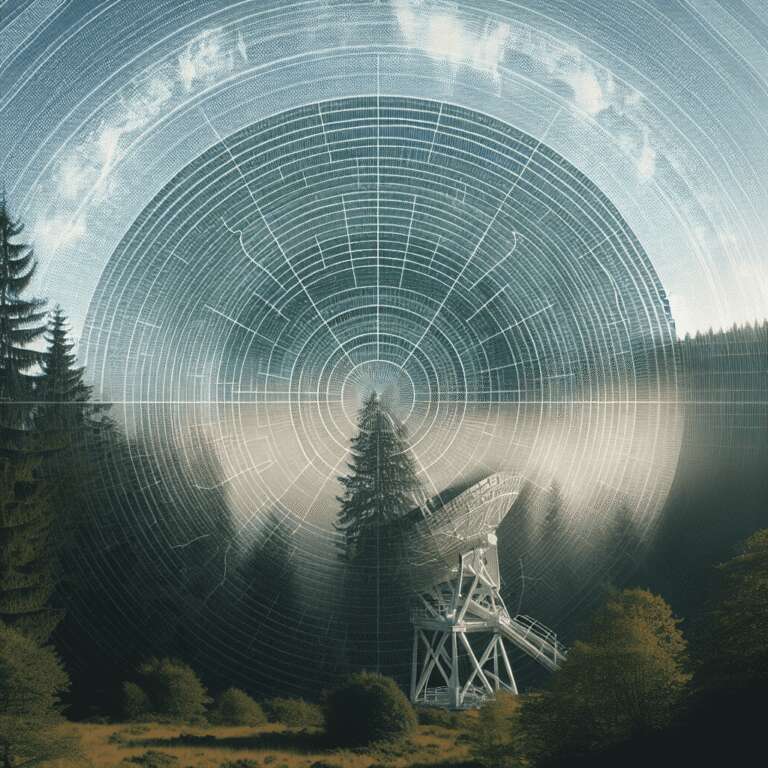
The European Space Agency (ESA), in collaboration with Airbus, is preparing to launch Biomass, the world´s largest space-based radar satellite, from French Guiana. Designed specifically for environmental monitoring, Biomass will be the first satellite to employ P-band radar waves, a frequency that penetrates forest canopies to measure trees´ trunks and larger branches—offering unprecedented insight into the above-ground carbon storage of Earth´s forests. The mission, scheduled for a five-year duration, aims to fill critical knowledge gaps by surveying forests in highly biodiverse yet under-monitored regions such as the Amazon, Siberia, Africa, and Australia, while intentionally avoiding North America and Europe to prevent radar interference with military systems.
Current techniques for estimating forest carbon rely heavily on labor-intensive field sampling and remote sensing technologies like lidar, which excel over managed forests in developed regions but fall short in vast, less-accessible areas. Biomass´ P-band radar, with its 12-meter diameter antenna, overcomes these limitations by delivering large-scale, high-resolution tomography—comparable to a CT scan—for 3D mapping of forests globally. This scale and wavelength allow scientists to estimate forest mass, and thus carbon content, far more accurately than existing satellite systems, which are typically limited to surface imaging by shorter wavelength radars incapable of penetrating dense foliage.
Because of international regulations governing P-band frequencies, Biomass agreed to deactivate its radar over North America and Europe to avoid interference with strategic object-tracking radars. After an initial five-month calibration, the satellite will spend 18 months compiling the first set of global biomass maps, then repeatedly remap Earth´s forests every nine months to track changes due to deforestation, fires, and other disturbances. While Biomass will not resolve soil carbon stores—especially in permafrost regions—it will provide hectare-level resolution for forest carbon, filling a key gap in our understanding of the terrestrial carbon cycle and advancing climate science. Experts highlight that by tracking both biomass stock and carbon release, Biomass represents a transformative leap in Earth observation capabilities.