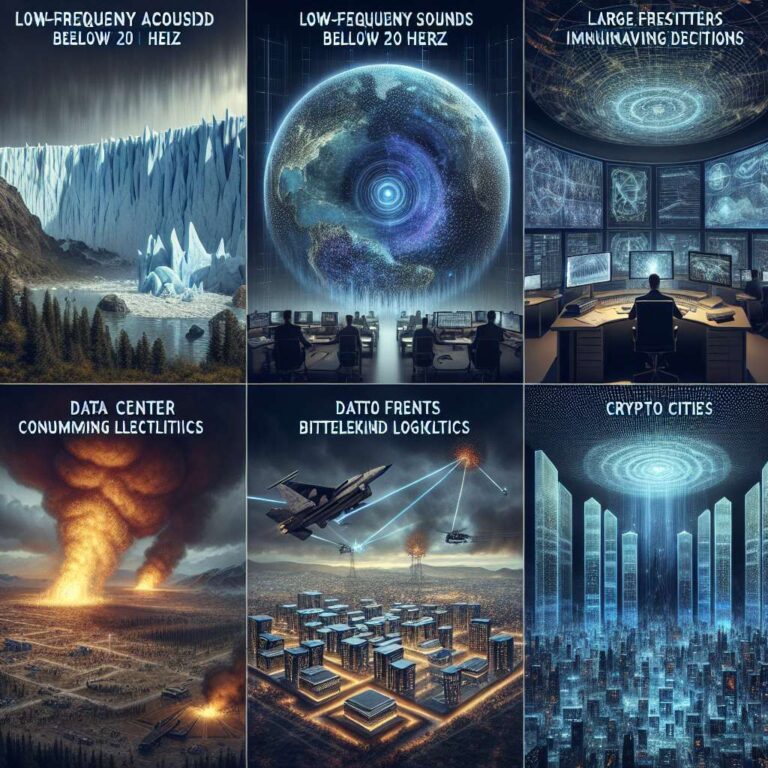
Earth constantly produces deep rumbles that are inaudible to humans, at frequencies of 20 hertz or lower, generated by events such as calving glaciers, wildfires, and powerful storm fronts. These infrasounds have such long wavelengths that they can travel around the globe as churning emanations of distant events, effectively creating a hidden acoustic layer that links far-flung environments. New tools are now making it possible to capture and listen to these ultra-low frequencies, opening up fresh opportunities to monitor natural hazards and better understand how dynamic processes shape the planet.
Elsewhere in technology, military and geopolitical uses of artificial intelligence are accelerating, raising concerns about oversight and ethics. One major focus is how Anthropic’s artificial intelligence tool Claude is being used for US strikes on Iran, where it is helping to identify targets and prioritize them, at least for now, in ways that could alter how decisions about force are made. Policy critics warn about the implications of the White House’s intensifying interest in Anthropic, while OpenAI is pursuing a contract with NATO, further entwining large artificial intelligence models with security and defense infrastructures. At the same time, Iran’s cheap, easily manufactured Shahed drones give it a major tactical advantage because they are very expensive to intercept, prompting the US to manufacture copies of the drone to use against Iran.
Domestic politics and infrastructure are also feeling the strain of digital expansion, with data center growth becoming a flashpoint in places like North Carolina, where one political candidate is calling for a 10-year national moratorium on building them amid worries about electricity use and rising bills. Social and cultural shifts continue alongside these developments: large language models can now unmask pseudonymous users at a speed and scale far beyond what even skilled human investigators can manage, while platforms like TikTok reject end-to-end encryption in the name of user safety, a strategy that may please law enforcement but could expose people to hackers. At the same time, crypto millionaires are pouring money into Central America to build experimental new cities such as a proposed Bitcoin City near El Salvador’s Conchagua Volcano, a project some hope will revitalize local economies but that others fear will repeat historical patterns of outside exploitation and leave host countries bearing the risks.