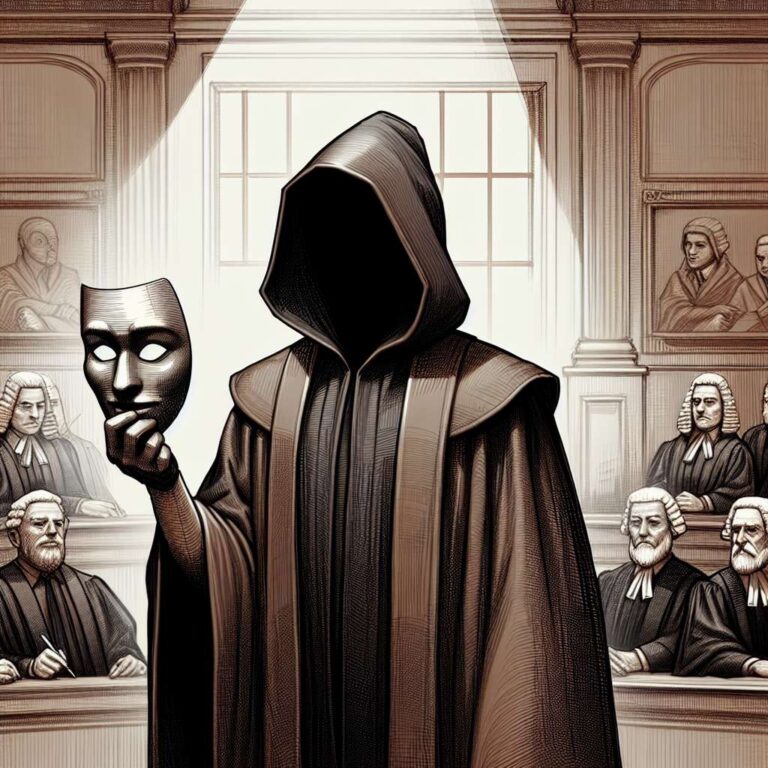
The Danish government has announced plans to amend its copyright law to give individuals explicit rights over their own bodies, facial features, and voices in an effort to curb the spread of Artificial Intelligence–generated deepfakes. This legal change, described by officials as the first of its kind in Europe, aims to strengthen protections against digital imitations that use someone’s likeness without consent, a problem that has grown alongside rapid advances in generative Artificial Intelligence technology.
Under the proposals, which have received broad cross-party support and are expected to be formally introduced after a public consultation and Denmark’s summer recess, anyone in Denmark would be able to demand the removal of deepfake content if it is shared online without their consent. The proposed legislation defines deepfakes as realistic digital representations of an individual, covering not only physical appearance and voice but also performances by artists created without their agreement. Those found in violation could face compensation claims, though the law will not restrict parodies or satire.
Cultural minister Jakob Engel-Schmidt emphasizes that the law sends a clear signal: every person owns the rights to their own likeness and voice, something not currently protected under existing laws against generative Artificial Intelligence misuse. Engel-Schmidt signaled Denmark´s intent to lead on digital rights within the EU, indicating ambitions to share this legislative approach during Denmark’s next EU presidency, and warning that platforms who fail to comply could face severe fines or European Commission intervention. The government hopes other European countries will adopt similar measures to protect citizens against the unauthorized cloning and manipulation enabled by artificial intelligence.