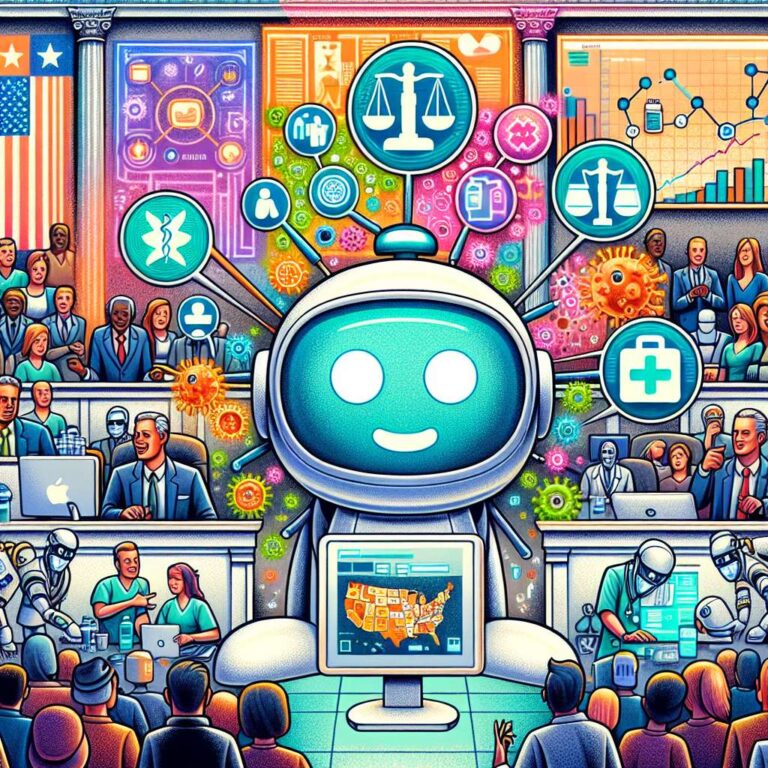
The newsletter opens by charting the shift from using traditional search engines for medical self diagnosis, a habit so widespread it became known as “Dr. Google,” to relying on large language models for health information. OpenAI says that 230 million people ask ChatGPT health-related queries each week, highlighting how quickly conversational systems have become embedded in everyday decision making. Against this backdrop, OpenAI has launched a dedicated ChatGPT Health product, introduced earlier in the month, that aims to channel those queries into a more structured health service. The central question raised is whether the widely recognized risks of using artificial intelligence for medical guidance can be mitigated enough for such tools to deliver a net benefit for patients rather than harm.
The focus then turns to the escalating political and legal struggle over artificial intelligence regulation in the united states. In the final weeks of 2025, efforts to rein in state-level artificial intelligence rules hit a breaking point when Congress twice failed to pass a law banning state artificial intelligence laws, prompting President Donald Trump to sign a sweeping executive order on December 11 that seeks to limit states’ ability to regulate the industry. He pledged instead to work with Congress on a “minimally burdensome” national artificial intelligence policy, a move described as a win for major technology companies that have assembled multimillion-dollar war chests to fight regulations they say would create a stifling patchwork of state rules. The newsletter notes that in 2026 the battleground will move to the courts, where some states may retreat from artificial intelligence legislation while others push ahead with new laws, setting up a prolonged clash over who gets to set the rules of the road.
The health section returns with a stark update on a serious measles resurgence and emerging tools to contain it. It has been a year since Texas reported a measles case that marked the beginning of a significant outbreak spreading across multiple states, and since the start of January 2025 there have been over 2,500 confirmed cases of measles in the united states and three people have died. As vaccination rates decline and outbreaks persist, researchers are testing new methods to rapidly detect and respond to infections, with wastewater surveillance beginning to show promise as an early warning system. The rest of the newsletter rounds up notable technology and policy stories, including growing concern over artificial intelligence powered disinformation swarms and their potential to undermine democratic processes, the increasing visibility of robots and Chinese strength in artificial intelligence and robotics, as well as a look at how African countries are turning to resilient indigenous crops to combat rising hunger in a changing climate.