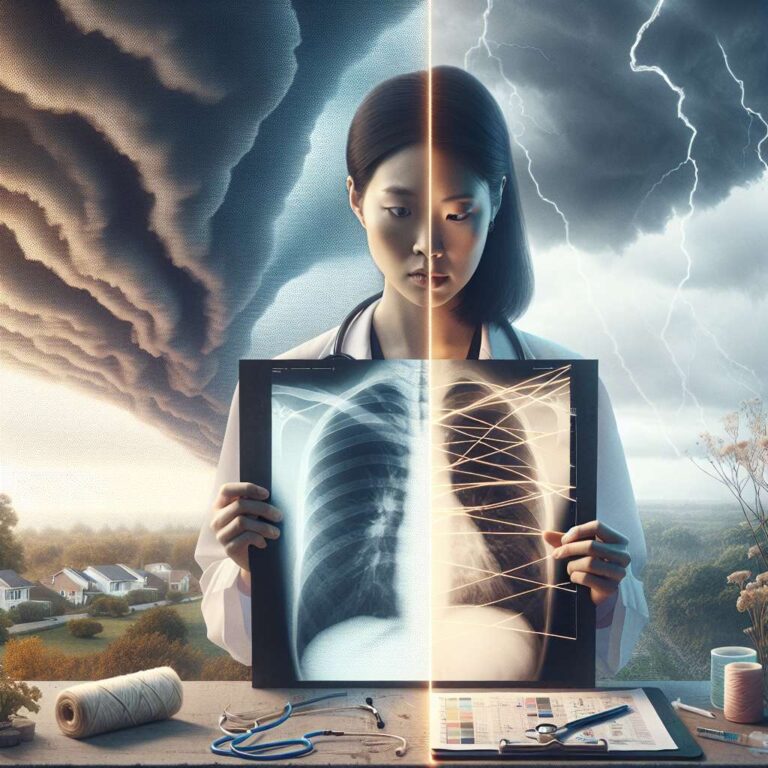
This edition of The Download from MIT Technology Review opens with an examination of the weather control conspiracy theory. The item notes that in October 2024, after Hurricane Helene hit the US southeast, Representative Marjorie Taylor Greene posted that “they can control the weather,” illustrating how extreme events amplify such claims. The piece, by Dave Levitan, situates the idea within the outlet’s series “The New Conspiracy Age” and argues that while the conspiracy is incorrect, it contains a small kernel of more modest truth.
The newsletter also highlights emerging work on heart disease detection, reporting that startups are applying Artificial Intelligence algorithms to screen millions of CT scans for early signs of heart disease. Vishal Khetpal writes that the approach could uncover patients whose high risk for a heart attack is currently hidden, offering a potential public health breakthrough. The coverage stresses that the method remains unproven at scale and raises questions about implementation and how disease is defined, and it appears in the latest print issue of MIT Technology Review magazine.
The must-reads section compiles key tech headlines. It flags concerns that spending on Artificial Intelligence may be driving tech layoffs, notes an anti-vaccine gathering in Austin linked to RFK Jr, and reports that people affected by AI-induced delusions are organizing for legal action. Other items include reports of AI-generated violent clips tied to OpenAI’s Sora 2, debate over tech leaders’ interest in bioengineering babies, Apple’s removal of two gay dating apps in China, UK worries about Chinese-made electric buses, changes to newsroom workflows from Artificial Intelligence, invasive species management challenges, and the development of the world’s largest electric ship.
The newsletter closes with a quote of the day from Dave Limp, CEO of Blue Origin, and a feature on the waning influence of design thinking. Rebecca Ackermann’s piece questions the methodology’s short-term focus and describes efforts to reform design practices for more equitable long-term problem solving. A short lighter section, “We can still have nice things,” offers small diversions including nature, baking, and art links.