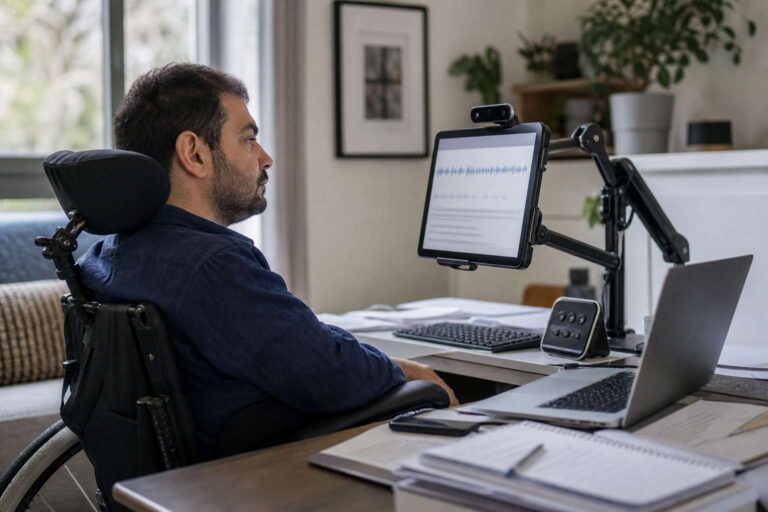
Casey Harrell, who has ALS and is paralyzed, has become a standout user of a speech brain-computer interface after having electrodes embedded in his brain for almost three years. He first used the system to speak in 2023 and has since logged thousands of hours with it. Harrell now operates the device largely independently, using it to communicate, browse the web, and do his job.
The team behind the device describes Harrell as the first power user of a speech BCI and is planning additional enhancements. Harrell told MIT Technology Review that ALS is expected to shrink ambitions, but his own dreams remain intact.
South Korea’s enthusiasm for AI stands in contrast to a growing backlash in the US. Pew Research Center polling found only 16% of South Koreans are more concerned than excited about AI, the lowest among the 25 countries surveyed, while 50% of Americans were more worried than excited. The mood reflects a broader belief that adopting new technology is central to national modernization and global relevance.
The wider technology roundup includes US restrictions on Anthropic over foreign intelligence risks, DeepSeek’s rise as China’s most valuable startup, Alibaba’s robot-focused AI models, EA’s push to place advertising directly into gameplay, manipulation risks in AI search, magnetic sperm for IVF, concerns over deepfakes, Meta’s AI reorganization, and a look at effective altruism’s influence on philanthropy.