Bill Gates argues that the world will not meet the emissions and warming targets set in the 2015 Paris Agreement because many essential technologies are still missing or too expensive to deploy at scale. Despite significant strides in renewable energy, electric vehicles, and storage, he sees ample reason for optimism, crediting human ingenuity with already reducing the 2040 global emissions forecast by 40%. Gates points to the growing ecosystem of climate innovators and investors, including Breakthrough Energy, which has backed more than 150 companies such as Fervo Energy and Redwood Materials, as evidence that clean technology is poised to reshape energy, manufacturing, transportation, industry, and food production.
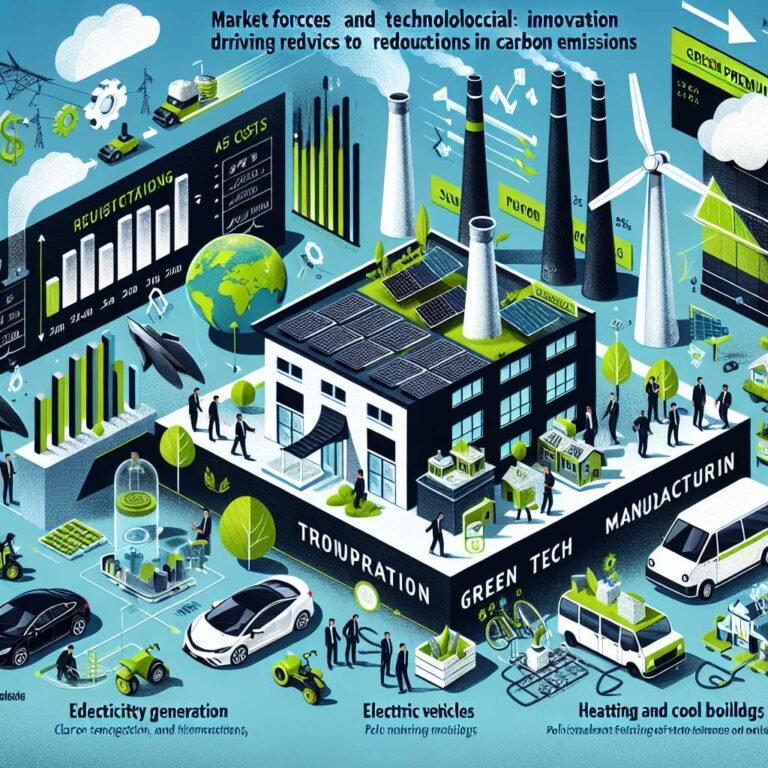
To prioritize impact, Gates breaks emissions into five categories: electricity generation, manufacturing, transportation, agriculture, and heating and cooling for buildings. He emphasizes the Green Premium, the cost difference between clean options and conventional ones, as a practical metric to guide action. Sustainable aviation fuel has a Green Premium of over 100%, while wind and solar often carry a negative premium because they are cheaper than fossil-based electricity. Cost is not the only hurdle, he notes, since clean alternatives must also match the convenience and performance of incumbents, such as enabling fast charging for electric vehicles.
Gates urges startups to focus on cutting the Green Premium and to aim for solutions capable of eliminating at least 1% of global emissions per year, or 0.5 gigatons. He calls on policymakers to safeguard funding and supportive policies, warning that recent cuts and reversals make it vital to concentrate resources where they matter most. Investors, he says, should supply patient, risk-tolerant capital, since transforming the physical economy requires building profitable companies that can win on cost and practicality, with governments and nonprofits playing important but complementary roles.
Looking ahead, Gates envisions the next decade featuring fewer stories about missed targets and more about rapid emissions declines driven by breakthrough deployments. He cites clean liquid fuels for aviation and shipping, zero-emissions steel and cement, and fusion power as examples that could unlock affordable, reliable clean energy, especially in low-income countries. He encourages young scientists and entrepreneurs to enter climate technology and points to the Climate Tech Atlas as a guide, arguing that a global innovation movement is already underway and resilient enough to overcome policy headwinds.