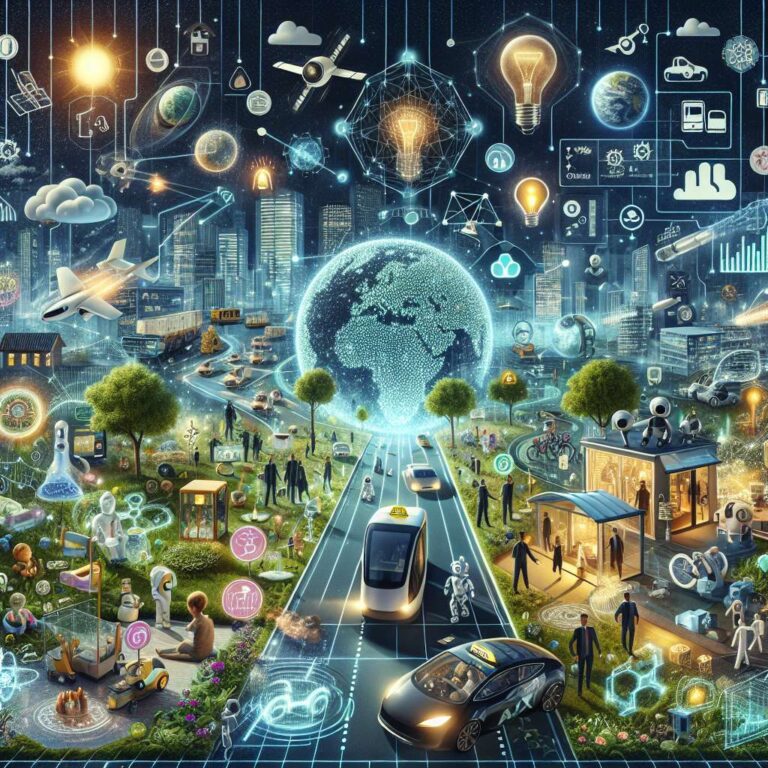
The BBC innovation and technology hub brings together coverage across technology, science and health, artificial intelligence and the environment, presenting a cross section of how digital tools and scientific research are reshaping everyday life. The page acts as a rolling index of stories that range from transport and urban infrastructure to medical breakthroughs, culture, entertainment and climate solutions, reflecting the breadth of change underway in sectors affected by new technologies and data driven approaches.
Transport innovation features prominently, with multiple reports on autonomous and alternative mobility systems. Uber and Lyft plan to trial Chinese robotaxis in the UK in 2026, using Baidu’s Apollo Go vehicles that have already accumulated millions of driverless rides in cities worldwide, while Waymo robotaxis in San Francisco temporarily stopped during a power outage as the company paused all service in the Bay Area before resuming operations. Other pieces look at how smart sensors are being deployed in coastal cities such as Boston to monitor flooding in real time, how space based solar power could contribute to the Earth’s future energy mix, and how green methanol production in Denmark could provide cleaner fuel for global shipping.
Artificial Intelligence and digital culture threads run through many of the stories, highlighting both consumer trends and policy responses. There are features on artificial intelligence toys dominating Christmas shopping lists and questions about how safe these connected products are for children, and an exploration of whether generative artificial intelligence prompts might be damaging users’ thinking skills. The hub notes that UK authorities plan to ban deepfake artificial intelligence ‘nudification’ apps by creating a new offence that builds on existing rules against sexually explicit deepfakes and intimate image abuse, and that the Artificial Intelligence Security Institute reports the technology is being used by one in 25 people daily for emotional support and conversation, while one in three people are using artificial intelligence for these purposes more broadly.
The wider technology and business landscape is covered through items on TikTok’s efforts to avoid a US ban by signing deals with US and global investors, and separate analysis of whether a US specific TikTok arrangement that retrains the algorithm on US data could make the app safer but less compelling. Meta is testing a £9.99 monthly subscription that would allow Facebook users to share more than two links, as part of a push to encourage verification and increase engagement. A piece on Americans socialising less examines how reduced in person contact with friends is worrying researchers and commentators, while another article warns that a single meme or social media post can derail travel plans through visa denials or online backlash.
Health and science coverage on the hub spans both physical and mental wellbeing, along with fundamental research. Stories include the first wheelchair user to go to space on a 10-minute Blue Origin flight, mixed reality systems that let medical teams rehearse life or death surgery, and an organ on a chip device that can hold information from the human gut to help doctors devise personalised treatments. Other features describe everyday activities such as running up stairs or intensive gardening that may help people live longer, new UK schemes that use stand up comedy to support mental health, and the impact of subtle sexism that may leave psychological ‘scars’ and be associated with ‘thinning’ in parts of the brain. Psychedelic research is presented as revealing hidden sides of identity, while another project aims to build the world’s largest biological database to unlock nature’s secrets.
Culture, environment and digital history stories round out the section, underscoring how technology shapes society. There are explorations of why early 2000s digital photos may have been lost, how the first handheld digital camera created in 1975 changed photography, and how early filmmakers pioneered the quirky, random humour that prefigured today’s viral internet clips. Environmental pieces look at the global shortage of frankincense as demand rises in wellness markets while natural sources are decimated, wildlife photographers confronting artificial intelligence tools that mimic their images, and innovators racing to predict wildfires before they ignite. Human centred features on rock climbing as therapy, tips for dealing with online trolls, and concerns over ‘carspreading’ as vehicles grow longer, wider and heavier in Europe further illustrate the intersection of technology, behaviour and policy that defines the BBC innovation agenda.