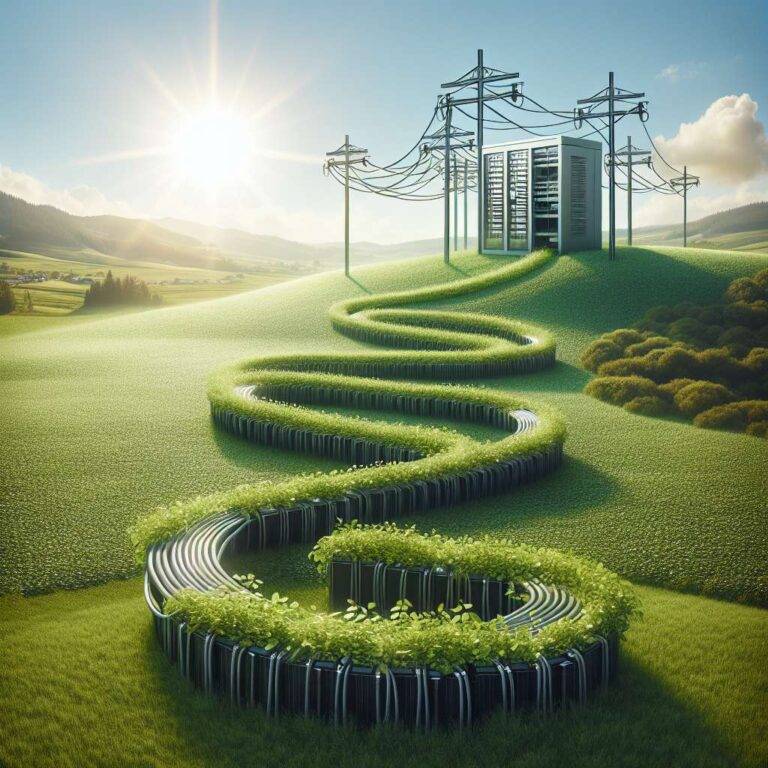
Redwood Materials, a prominent player in battery recycling, has unveiled a new initiative to supply clean energy to Artificial Intelligence data centers by reusing electric vehicle (EV) batteries. At its headquarters near Reno, Nevada, the company showcased arrays of second-life battery packs previously used in EVs, now wrapped and weatherproofed, serving as the backbone of microgrid energy systems. These microgrids mark the debut of Redwood Energy, the firm´s latest business line, which aims to extend the lifespan of batteries before recycling by harnessing their remaining capacity for distributed, renewable-powered electricity storage.
This approach addresses two critical challenges: the growing power demands of Artificial Intelligence data centers and the environmental impact associated with battery production and disposal. By repurposing partially spent battery modules, Redwood Materials can reduce electronic waste and greenhouse gas emissions while helping data centers manage energy needs sustainably. These renewable-powered microgrids have the flexibility to operate on or off the main grid, making them attractive for businesses seeking reliability and lower carbon footprints. The company envisions these microgrids supporting a range of applications, from isolated communities to mission-critical technology hubs.
In parallel with developments in sustainable technology infrastructure, the article highlights the dramatic rise in demand for weight-loss drugs like Ozempic, Wegovy, and Mounjaro. These drugs have gained immense popularity not only among patients managing diabetes or obesity but also as status symbols among celebrities and the general public, sparking global shortages. While they effectively curb appetite and reduce weight, ongoing research suggests their varied side effects are still emerging, including nausea and digestive issues. The intersection of advanced health solutions and eco-friendly technology underscores the rapid pace of innovation—and the need for careful scrutiny of medical and technological breakthroughs. Both fields are experiencing a surge of investment and interest, as researchers probe new frontiers from microgrid power generation for Artificial Intelligence to pharmaceuticals that reshape health behaviors.