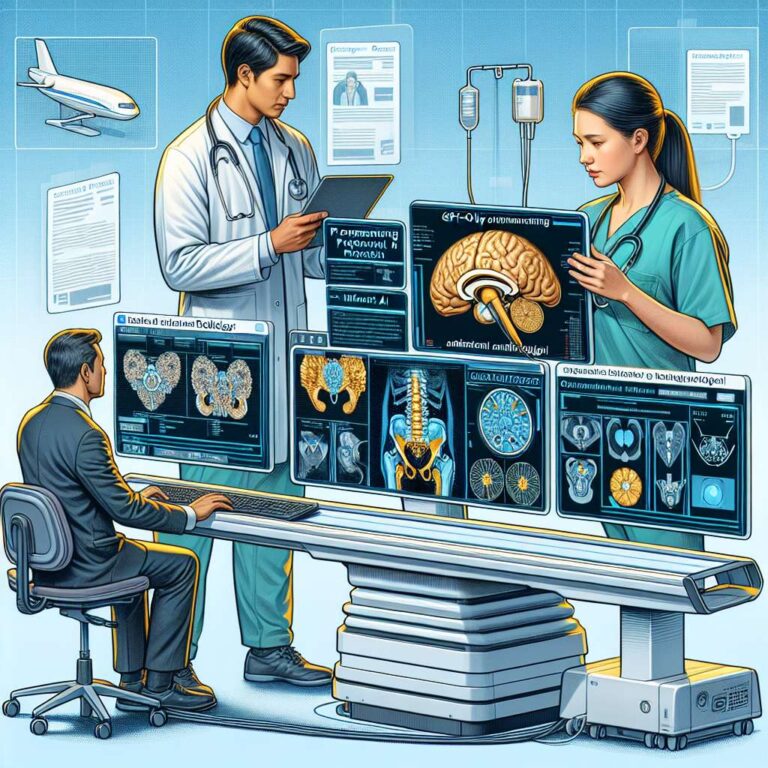
In a recent discussion with Diagnostic Imaging, abdominal radiologist Rajesh Bhayana, M.D., outlined findings from a retrospective study that evaluated the large language model GPT-4o for automated protocoling of abdominal and pelvic computed tomography exams. He noted that image protocoling for hundreds of cases may take up to an hour a day and cited general estimates that protocoling comprises about five to six percent of a radiologist’s time at work. Against this backdrop, the research team compared prompting-only and fine-tuned GPT-4o model selection of computed tomography protocols with the choices made by unassisted radiologists.
For the retrospective study, the researchers found that the prompting-only GPT-4o model selected optimal computed tomography protocols in 96.2 percent of patients in comparison to 88.3 percent for unassisted radiologists. Dr. Bhayana acknowledged that the prompting-only GPT-4o model relied on a “monster prompt” that spanned seven pages and incorporated over 40-plus protocols for abdominal and pelvic computed tomography exams. Despite that complexity, he characterized large language models as a natural fit for automated protocoling because they can be updated in step with institutional protocol changes and evolving clinical evidence, such as adjustments in the use of oral contrast.
Dr. Bhayana, an assistant professor of radiology and radiologist technology lead at the Joint Department of Imaging at the University of Toronto, said he is already using large language model automated computed tomography protocoling in his own practice. He explained that in a supervised workflow, the large language model will preselect the protocol and urgency, and the radiologist can either agree and verify or adjust as needed. According to Dr. Bhayana, this approach has the potential to make radiologists more efficient while improving alignment across a department on protocol selection for different clinical scenarios, enhancing both consistency and standardization of care.