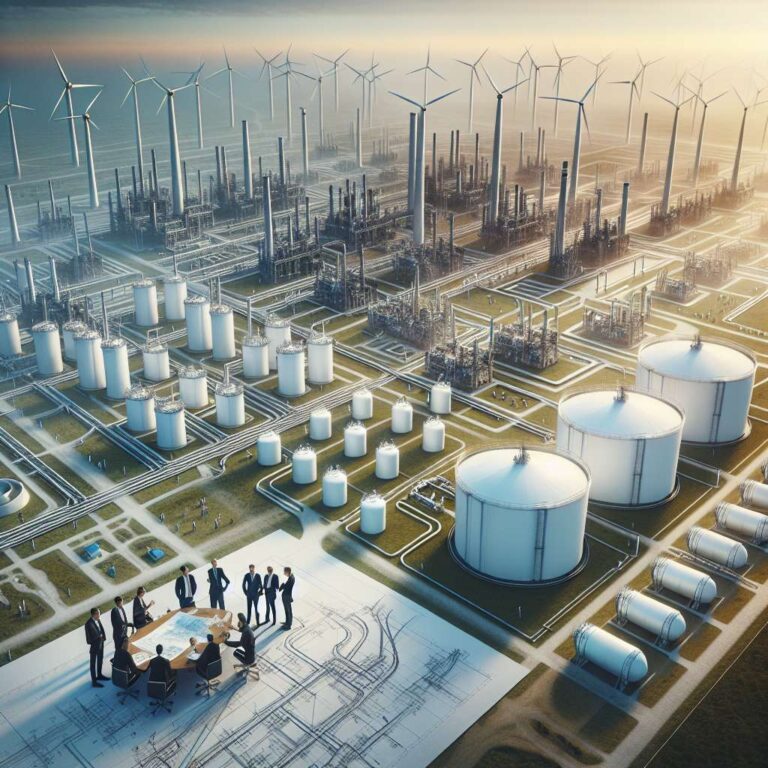
Envision’s pioneering green hydrogen and ammonia project in Chifeng, Inner Mongolia, has been recognized by the world economic forum as a premier global case study for the energy transition. The initiative is featured in the forum’s white paper titled “From Blueprint to Reality: A Stronger Business Case for Shared Energy Infrastructure,” which examines how collaborative infrastructure models can help scale low carbon energy solutions. By spotlighting the Chifeng development, the report positions it as a benchmark for how large scale clean fuels projects can be structured and operated.
The world economic forum paper identifies the Chifeng project as a transformative model for the global energy transition, emphasizing its role in advancing green hydrogen and ammonia production. The project is described as a leading example of how shared energy infrastructure can reduce costs, improve efficiency and enable broader adoption of clean technologies. Its inclusion in the report signals growing interest in using Artificial Intelligence driven optimization and integrated planning to enhance the performance and reliability of complex renewable energy systems.
Although detailed technical and financial metrics are reserved for registered readers of the energy conference network platform, the article makes clear that the world economic forum’s endorsement elevates Envision’s Chifeng project as a global benchmark. The recognition is likely to influence how policymakers, energy companies and investors evaluate similar green hydrogen and ammonia initiatives, especially those that depend on shared infrastructure models. By framing the project as a case study in a major world economic forum publication, the article underscores its potential to shape future standards and best practices for large scale decarbonization projects worldwide.