
Artificial Intelligence hype index: Artificial Intelligence goes to war

Anthropic and OpenAI are pulled deeper into military work as public backlash and user skepticism grow. At the same time, Artificial Intelligence agents are spreading online in increasingly strange and commercial ways.

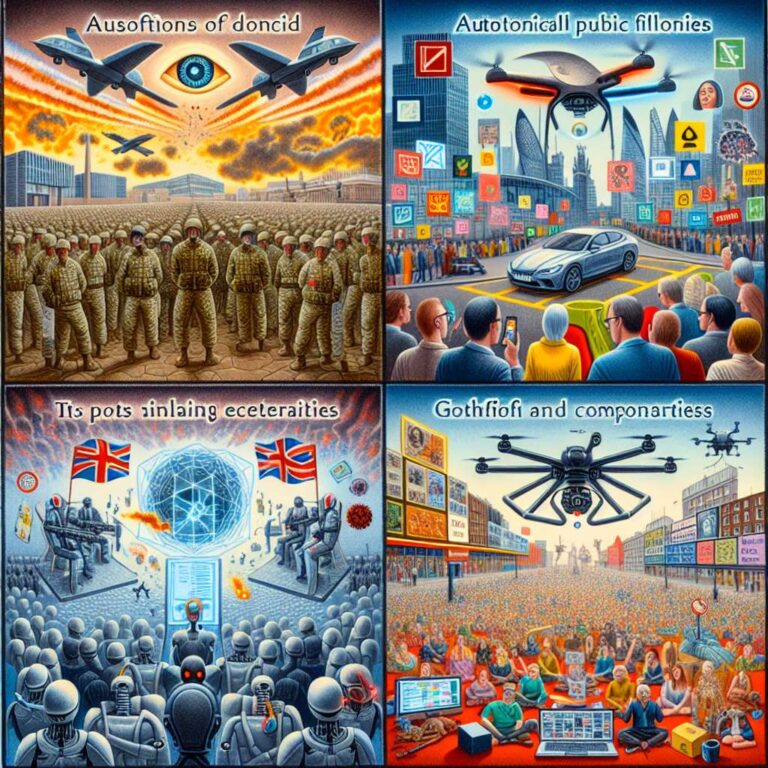
Artificial Intelligence is becoming more entangled with war, corporate rivalry, and public resistance. Anthropic and the Pentagon clashed over how to weaponize Anthropic’s model Claude, before OpenAI moved in with what was described as an “opportunistic and sloppy” deal. Anthropic, a company founded around ethical positioning, is now accelerating US strikes on Iran.

Pressure is also building outside the defense world. Users quit ChatGPT in droves, adding to signs of dissatisfaction around consumer Artificial Intelligence products. In London, people marched in the biggest protest against Artificial Intelligence to date, showing that opposition is no longer confined to researchers, artists, or policy circles and has become a broader public movement.

At the same time, the culture around Artificial Intelligence is growing more surreal. Artificial Intelligence agents are going viral online, turning from productivity tools into personalities and intermediaries. OpenAI hired the creator of OpenClaw, a popular Artificial Intelligence agent, while Meta acquired Moltbook, where Artificial Intelligence agents appear to reflect on their own existence and create beliefs such as Crustafarianism.

The commercial use of these systems is also taking on an odd human hierarchy. On RentAHuman, bots are hiring people to deliver CBD gummies. The emerging picture is less about Artificial Intelligence directly replacing workers and more about systems that manage people, shape behavior, and drift into roles that mix automation, authority, and absurdity.
70

Impact Score

Microsoft emails show early doubts about OpenAI

Court emails show Microsoft executives were unconvinced by OpenAI’s early Artificial Intelligence progress in 2018 while also worrying that rejecting the lab could push it toward Amazon. The messages reveal internal tension between skepticism over technical claims and concern about competitive and public relations fallout.

Apple explores Intel chip manufacturing alliance

Apple has reached a preliminary agreement with Intel to manufacture some chips for its devices, reflecting mounting pressure on semiconductor supply chains as Artificial Intelligence demand absorbs advanced capacity. The move also aligns with Washington’s push to expand domestic chip production and revive Intel’s foundry business.

Why businesses must act now on agentic Artificial Intelligence risk

Businesses are moving from generative tools to autonomous Artificial Intelligence agents that can execute tasks with limited human input. That shift is creating urgent governance, security, and accountability risks, underscored by recent concerns around OpenClaw.

US signals proactive approach on Artificial Intelligence regulation

US federal and state agencies are showing signs of a more proactive stance on Artificial Intelligence oversight, especially around security. The shift contrasts with more sector-specific or horizontal regulatory models emerging in the UK, Europe, Singapore and Japan.

Contact Us

Got questions? Use the form to contact us.

Contact Form

Clicking next sends a verification code to your email. After verifying, you can enter your message.