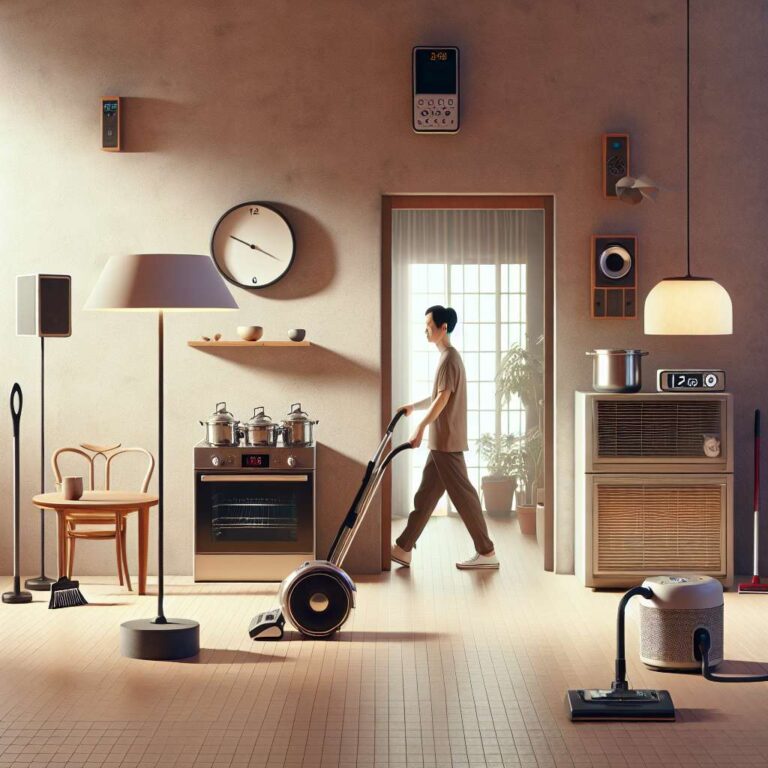
At the “Future Home Artificial Intelligence Life – 2026 AWE High – level Forum” in Shanghai, executives from home appliance makers, technology companies, lifestyle platforms, and embodied intelligence firms outlined how Artificial Intelligence is reshaping the home. The discussion framed the sector as moving from isolated smart devices to integrated living environments that can perceive user intent, coordinate across devices, and respond more naturally. Industry leaders described the home as one of the richest application scenarios for Artificial Intelligence, with momentum building from technical breakthroughs toward large-scale industrial deployment.
Huawei said whole-home intelligence is evolving from a tool into a partner, with progress focused on perception, interaction, and ecosystem integration. BSH Home Appliances argued that Artificial Intelligence creates real value only when grounded in deep vertical expertise, citing practical uses such as recipe guidance, dish recognition, browning detection, and real-time adjustment of cleaning settings. Openness was presented as essential to this transition, with companies warning that a fragmented or closed ecosystem limits the quality and consistency of the smart home experience.
Embodied intelligence emerged as another major theme. Robot companies said household deployment is becoming more plausible as mobility and multimodal interaction mature, enabling devices to move freely, recognize environments, understand emotion, and build long-term memory. At the same time, speakers stressed that consumer adoption still depends on safety, automation, and clear use cases. Industry observers said embodied intelligent products currently range from 10,000 to 200,000 – 300,000 yuan, creating a large gap between market novelty and mass adoption. They also warned that weak standards around safety and privacy could undermine trust in the category.
User demand and product design were discussed in equally practical terms. On Xiaohongshu, search volume related to Artificial Intelligence reached 120 million times, reflecting broad curiosity but also a preference for outcomes over technical jargon. Several speakers argued that the best Artificial Intelligence should feel invisible in use, with technology receding into the background while experience becomes more intuitive and calming. Examples included kitchen devices that adjust automatically without voice commands and sleep products that solve concrete problems rather than sell features for their own sake.
Privacy and governance remained a final concern as homes become more data-rich and interconnected. Paolo Falcioni of APPLiA argued that smart living cannot rely on unrestricted data centralization and called for open protocols over closed ecosystems. Across the forum, the underlying message was consistent: the future home will be defined less by flashy hardware than by dependable, human-centered systems that combine intelligence, interoperability, trust, and everyday usefulness.