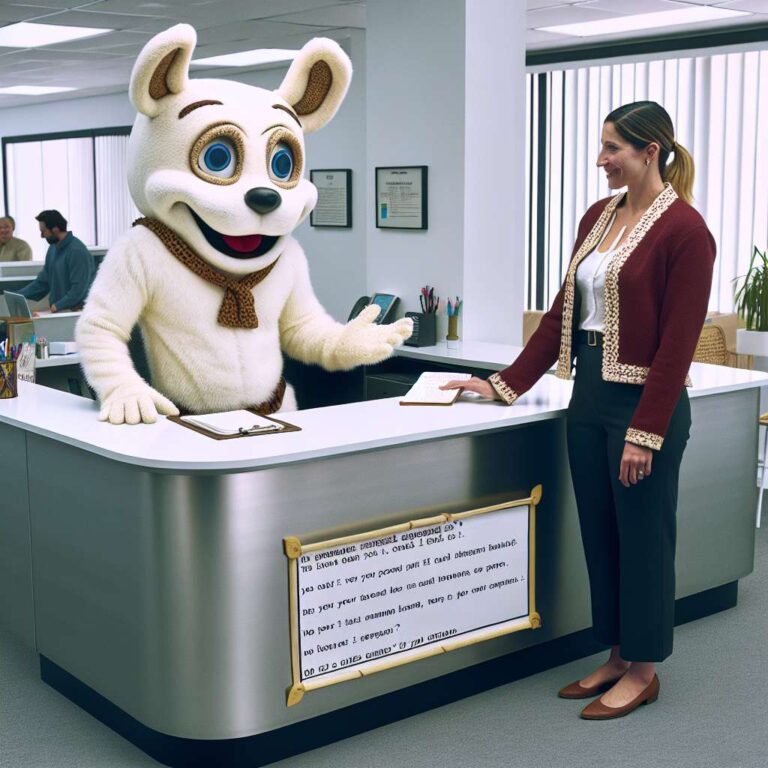
Artificial intelligence chatbots are transforming our interactions with technology, yet their conversational quirks often leave users squirming with secondhand embarrassment. The article begins by examining recent viral exchanges from Grok, X’s chatbot, whose attempts at humor sometimes land but more frequently miss the mark, producing responses that users widely considered ´cringey.´ However, this awkwardness is not unique to Grok—it’s a pattern the author found repeated in ChatGPT, Bard, Character AI, and various chatbot iterations across platforms, especially when these systems are prompted to be funny or emulate casual speech.
Diving deeper, the article explores what exactly constitutes ´cringe´ within chatbot interactions. Drawing on ChatGPT’s definition, ´cringe´ is described as content or behaviors that seem socially awkward, out of touch, or try too hard to be cool or relevant. The author notes that certain hallmarks consistently trigger this feeling: chatbots ´trying too hard,´ such as overzealously making jokes or rephrasing answers in gimmicky formats; over-explaining basic facts to users at the expense of conversational flow; and their rapid oscillation from undue confidence to excessive subservience when challenged. These traits amplify a perceived inauthenticity and disrupt the natural rhythm users expect from human-like dialogue, often leading to user frustration or amusement at the bots’ expense.
While internet culture has normalized some forms of cringe as entertainment—think reality shows where awkwardness becomes the draw—the author argues that there’s a real issue when cringe undermines practical help or support tasks. When a user turns to a chatbot for serious queries or customer support and is met with feeble jokes or clueless explanations, the experience crosses from amusing to irritating. The piece suggests solutions: enabling bots to ask clarifying questions or tailor responses based on a user’s previous context could reduce the disconnect. Ultimately, the article questions whether being cringe is an acceptable side-effect of artificial intelligence’s growing pains, or whether expectations should rise as these systems become more advanced and omnipresent in daily communication.