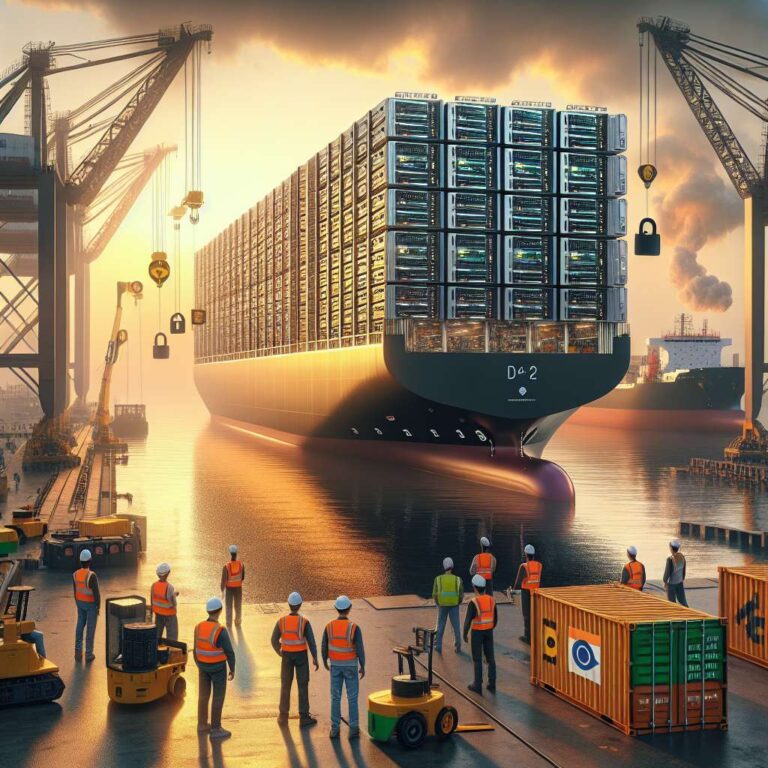
Advanced Micro Devices is aligning its global artificial intelligence strategy with India’s digital ambitions, placing the Helios platform at the center of a broader infrastructure and ecosystem push. Helios is described as a high performance artificial intelligence infrastructure system that features 72 GPUs and delivers 2.9 exaflops, positioning it as a rival to Nvidia’s data center offerings and part of AMD’s long term bet on data center revenue growth. As part of this vision, AMD has partnered with Tata Consultancy Service to build a 200-megawatt data center in India and is collaborating with India’s Centre for Development of Advanced Computing on supercomputing projects. These moves fit into a forecast where global artificial intelligence demand is predicted to grow and drive substantial new infrastructure requirements.
To deepen its presence in India, AMD aims to invest 400 million in India and expand its workforce to 10,000, framing the country as both a key market and a development base for its hardware and software. The company plans to train 100,000 STEM graduates in artificial intelligence and GPU programming in India over three years, and AMD will provide 1 lakh hours of free developer cloud access to Indian researchers and startups so that they can use enterprise grade artificial intelligence infrastructure. This education and access strategy is explicitly tied to building expertise in open source GPU programming, supporting India’s startup ecosystem, and contributing to the country’s broader digital transformation and economic growth goals.
On the technology and ecosystem front, AMD is pushing an open model to counter Nvidia’s entrenched position in artificial intelligence software and hardware. AMD unveiled the Helios artificial intelligence server, set for 2026, as part of a competitive response to Nvidia’s dominance, while OpenAI CEO Sam Altman has confirmed that OpenAI will adopt AMD’s newest chips. AMD is also enhancing its artificial intelligence software stack and has made several acquisitions, including the purchase of software optimization startup Brium, which specializes in adapting artificial intelligence software to run efficiently across diverse hardware rather than being primarily tuned for Nvidia’s chips. By fostering an open artificial intelligence software ecosystem and improving hardware flexibility for developers, AMD is betting that India’s growing role in supercomputing, data centers, and artificial intelligence talent development will help it close the gap with Nvidia and provide an alternative path for enterprises and researchers building next generation artificial intelligence systems.