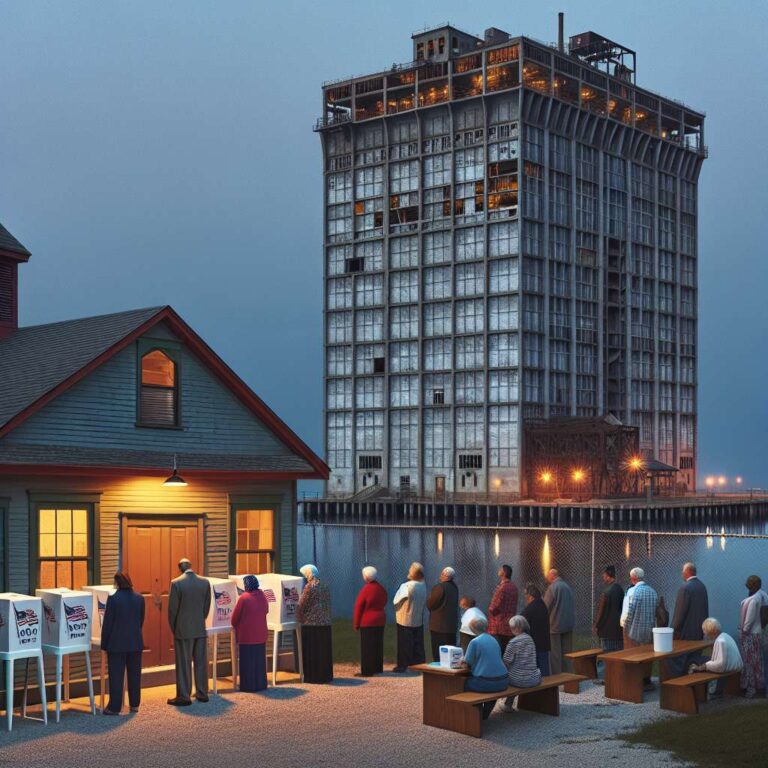
Port Washington, a Milwaukee suburb, approved a referendum aimed at slowing the spread of new data centers unless residents have a direct voice in the process. The vote is being described as a historic local challenge to the rapid buildout of infrastructure designed to support Artificial Intelligence, as communities weigh promised economic benefits against local disruption and public cost.
The measure reached the ballot through a grassroots campaign that gathered signatures across the 12,000-person town. Opposition intensified around the Vantage Data Centers Lighthouse Campus, a sprawling $15 billion, 672-acre computing hub for OpenAI and Oracle. The project is part of “Stargate,” a $500 billion Trump-backed initiative to build infrastructure for the Artificial Intelligence boom, with other sites in Shackelford County, Texas; Doña Ana County, New Mexico; and Lordstown, Ohio.
After the referendum passed, organizers framed the result as a victory for local democratic control over large-scale development. Great Lakes Neighbors United, the nonprofit formed last year to organize community concerns, said residents wanted a formal role in decisions involving public subsidies and major construction. More than 1,000 residents signed the petition that placed the measure on the ballot, underscoring how opposition to Big Tech-backed projects had broadened beyond small neighborhood complaints.
The new ordinance requires the city government to seek voter approval before offering tax breaks for development projects over $10 million. That does not stop the existing data center project, which broke ground in December, but it creates new obstacles for future projects seeking public incentives. Residents living near the site have already raised concerns at city council meetings about the 24-hour noise tied to ongoing construction.
The outcome highlights a growing tension around the physical footprint of Artificial Intelligence. Tech companies and industry leaders portray vast computing investments as necessary to unlock future breakthroughs and deliver broader public benefits. In Port Washington, voters signaled that those promises alone are not enough, especially when local taxpayers, land use, and quality-of-life impacts are part of the equation.