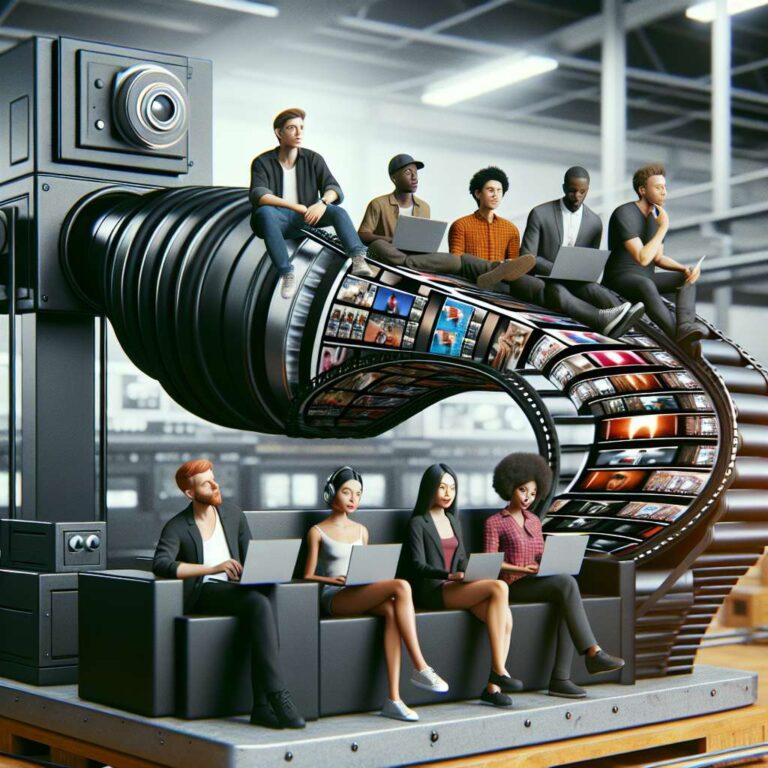
The rise of artificial intelligence video generation in 2025 marks a dramatic shift for marketers, content creators, and ecommerce brands. Traditional video production is labor-intensive and costly, often limiting the pace and scale at which organizations can engage audiences. With the latest generative technologies, entire videos can now be crafted from simple text prompts or images—no studios, and no technical editing required. This trend is powered by evolving multimodal artificial intelligence models, which streamline creative processes, democratize production, and offer unprecedented speed in an increasingly video-first world.
Artificial intelligence video tools such as Canva, InVideo, Steve.AI, Pictory, Synthesia, and HeyGen provide creators with modular, prompt-based workflows. Users input a product description or content brief; the platform maps out visuals, selects transitions, and generates on-brand videos, complete with synced voiceovers and animated avatars. Standout features in 2025 include drag-and-drop, no-code editing; multilingual support for hyper-local campaigns; and flexible, format-tailored outputs for Instagram Reels, YouTube Shorts, and connected TV. This automation is not just about efficiency: it empowers teams to iterate and personalize at scale, crucial for fast fashion, digital commerce, influencer campaigns, and programmatic advertising.
Key use cases span product showcases, shoppable social ads, avatar-led explainers, and omnichannel content repurposing. Artificial intelligence compresses the conventional video cycle—scriptwriting, filming, editing—into minutes, and allows for rapid A/B testing through automatic variant generation. Brands can launch multiformat, multi-language campaigns without steep production overheads. However, limitations persist. Heavy reliance on prebuilt templates can trigger creative fatigue, while algorithmic outputs sometimes lack deep brand nuance or cultural sensitivity. Effective use hinges on high-quality input and ongoing human oversight, especially as ethical, legal, and authenticity concerns emerge around avatars and synthetic media. Despite these challenges, artificial intelligence video generation is cemented as the cornerstone of contemporary brand storytelling, blending creative acceleration with operational agility. As the ecosystem matures, the future will belong to those who combine artificial intelligence´s technical power with decisive editorial vision and nuanced brand stewardship.