
Chancellor sets principles for UK-EU alignment

Rachel Reeves has outlined a growth plan built around closer UK-EU ties, faster Artificial Intelligence adoption, and stronger regional development. The strategy sets new principles for regulatory alignment, expands support for innovation, and shifts more investment power to city regions.
Nvidia denies report on Groq chip plans for China

Nvidia says a report that it is preparing Groq inferencing chips for shipment to China is “totally false,” even as interest in H200 sales to the country remains strong. The dispute highlights how closely watched Nvidia’s China strategy has become across training and inferencing hardware.
AMD targets desktop Artificial Intelligence PCs with Copilot+ chips

AMD has introduced the first desktop processors certified for Microsoft Copilot+, aiming to challenge Intel in x86 PCs as demand for on-device Artificial Intelligence computing rises. The company is also balancing that push with export limits that could constrain advanced chip sales in China.
Governance risk highlights from Infosecurity Magazine

Governance and risk coverage centers on regulation, compliance, cybersecurity policy, and the growing role of Artificial Intelligence in enterprise security. Recent headlines point to pressure on critical infrastructure, standards updates, insider threat guidance, and concerns over guardrails for large language models.
Vals publishes public enterprise language model benchmarks
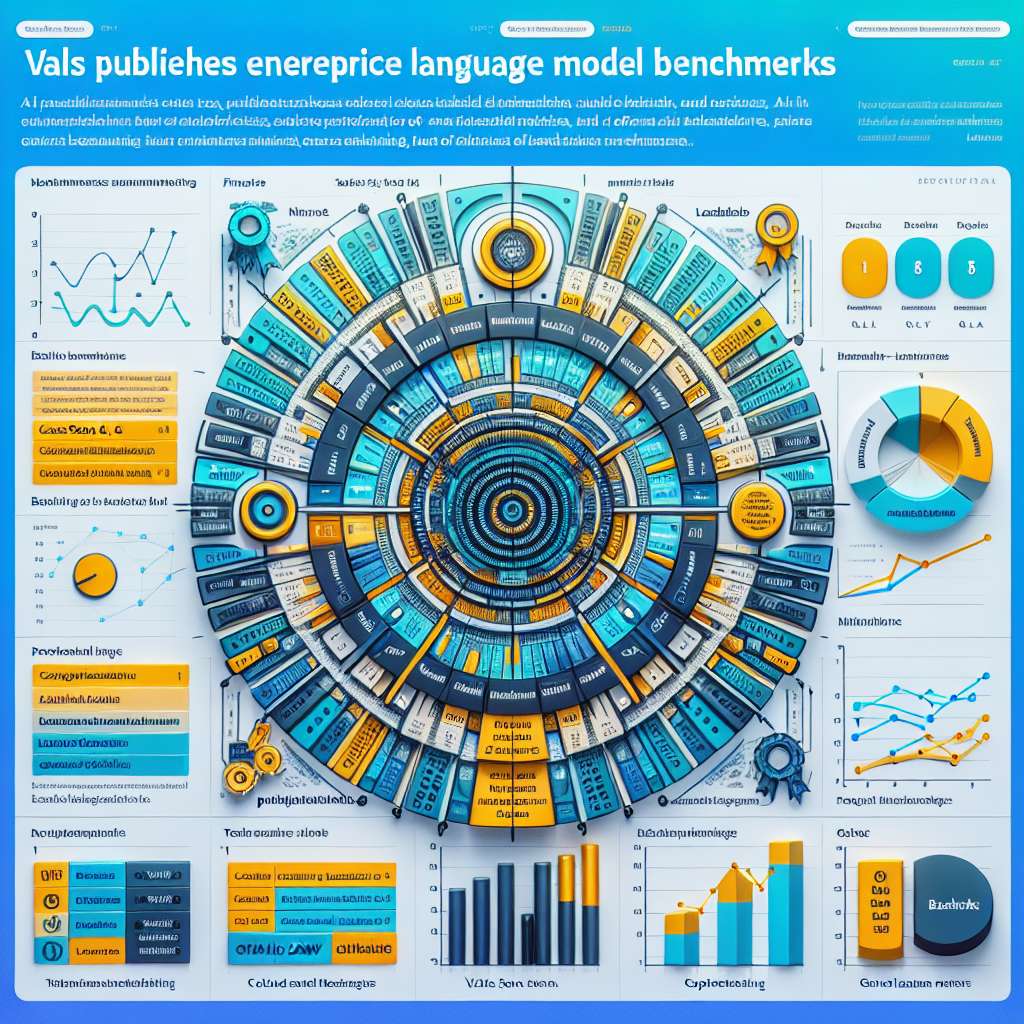
Vals lists a broad set of public enterprise benchmarks spanning law, finance, healthcare, math, education, academics, coding, and beta agent tasks. The index highlights which models currently lead specific enterprise-focused evaluations and how widely each benchmark has been tested.
MIT method spots overconfident Artificial Intelligence models

MIT researchers developed a way to detect when large language models are confidently wrong by comparing their answers with outputs from similar models. The combined uncertainty measure outperformed standard techniques across a range of tasks and may help reduce unreliable responses.
MEPs back delay for parts of Artificial Intelligence Act

European Parliament committees have endorsed targeted delays to parts of the Artificial Intelligence Act while adding a proposed ban on certain non-consensual image manipulation tools. The changes aim to give companies clearer deadlines, reduce overlap with other EU rules, and extend support to small mid-cap enterprises.
Publisher alliance seeks leverage over Artificial Intelligence web access

A new publisher coalition is trying to reshape how Artificial Intelligence companies access journalism by combining collective bargaining with tougher technical controls. The effort reflects growing pressure on Artificial Intelligence firms to pay for content used in training, search, and user-facing responses.
Military advantage in the age of algorithmic diffusion

American leadership in Artificial Intelligence research and infrastructure may not translate into lasting military advantage. Rapid diffusion of algorithms is shifting the contest toward compute, talent, and the speed of military adoption.
Artificial Intelligence adoption rises among small businesses

Small businesses are increasingly using Artificial Intelligence and reporting strong gains in efficiency, productivity, and expected revenue. Many still face practical barriers and want more training, resources, and policy support to move from experimentation to full implementation.