
Artificial Intelligence platform choice becomes a board decision

Competition among leading Artificial Intelligence providers is shifting from model benchmarks to control of broader platforms and ecosystems. That change turns large language model selection into a long term strategic decision for boards, not just engineering teams.
Memory makers see shortages easing in late 2028
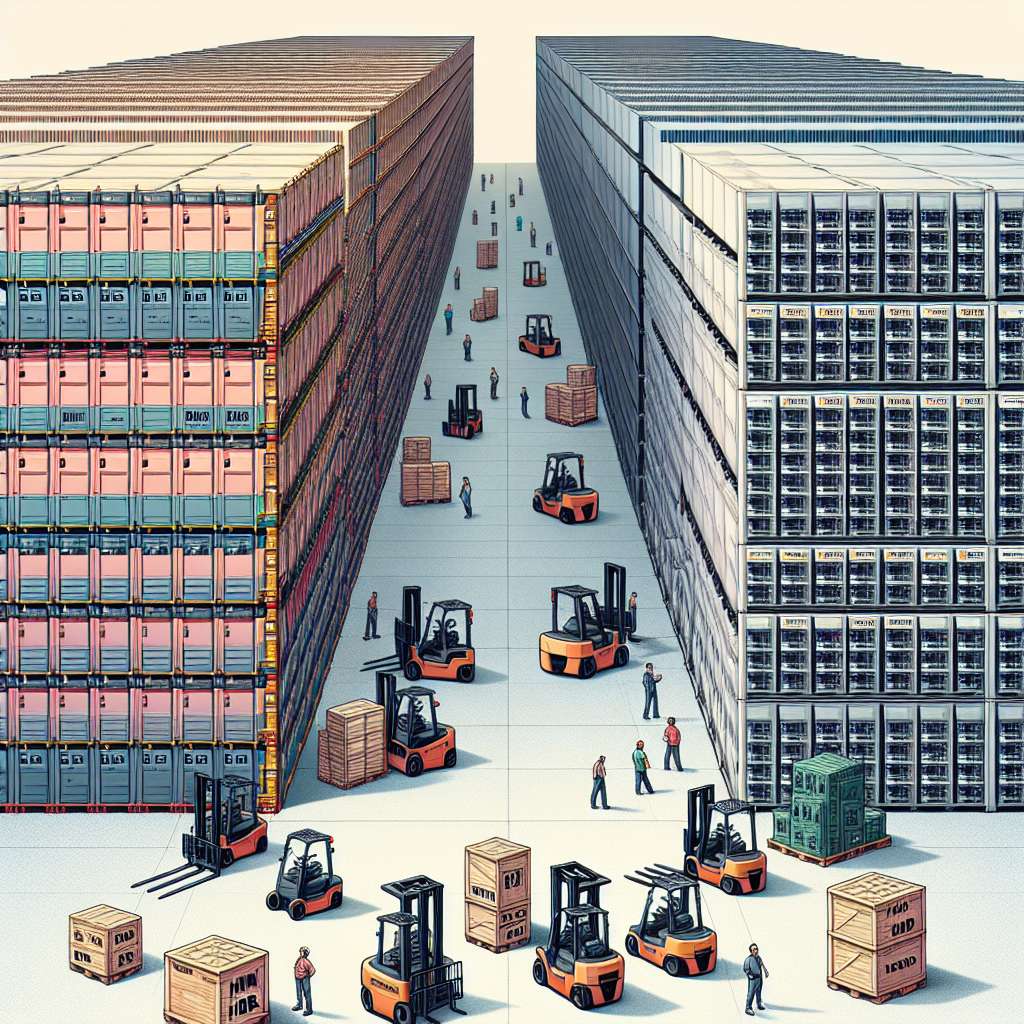
Memory manufacturers expect shortages to continue until the end of 2028, with supply and demand returning to balance afterward. Producers are also reassessing whether to extend capacity expansion beyond plans already tied to current demand.
EuroHPC JU signs contract for Artificial Intelligence supercomputer HammerHAI
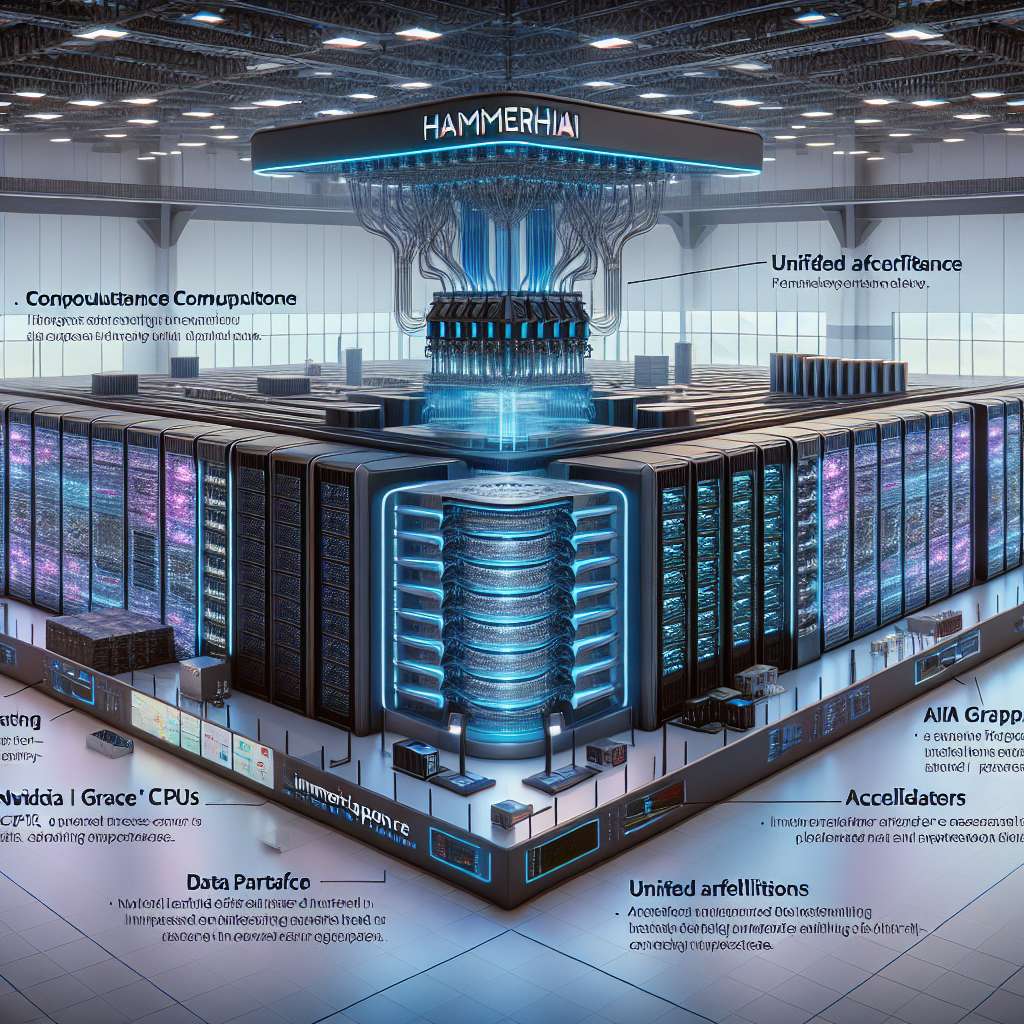
EuroHPC JU has signed a contract with HPE to deploy HammerHAI, the first new standalone supercomputer under its Artificial Intelligence Factories initiative. The system is planned for HLRS in Germany and is designed to expand computing capacity for Artificial Intelligence, machine learning, and data science.
MSI warns of gpu shortages and expands ddr4 output
MSI says tightening component supply tied to Artificial Intelligence demand is pressuring gaming hardware pricing and availability. The company is also shifting motherboard production toward DDR4 as DDR5 shortages persist.
NVIDIA launches BlueField-4 STX storage architecture
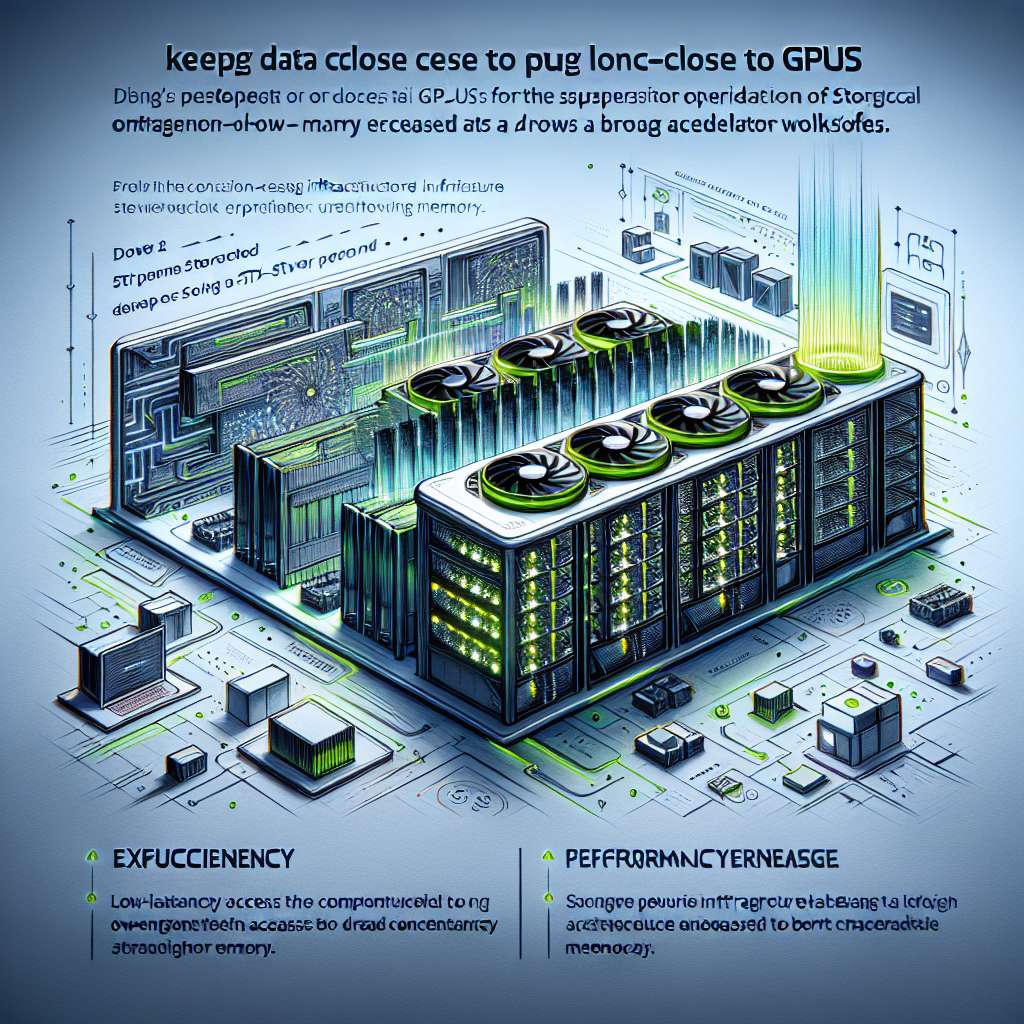
NVIDIA introduced BlueField-4 STX, a modular storage reference architecture built to support long-context reasoning for agentic Artificial Intelligence. The design aims to keep data close to compute and improve responsiveness across inference, training and analytics.
AMD and Celestica partner on Helios rack-scale Artificial Intelligence platform

AMD and Celestica are working together to bring the Helios rack-scale Artificial Intelligence platform to market. The effort combines AMD compute technology with Celestica networking switch development for large-scale clusters.
Micron ramps HBM4, SOCAMM2, and PCIe Gen 6 SSD production

Micron has moved three data center products into high-volume or mass production around NVIDIA’s Vera Rubin platform. The lineup includes HBM4, SOCAMM2 memory modules, and the Micron 9650 PCIe Gen 6 SSD.
NVIDIA DSX Air brings simulation to Artificial Intelligence factories
NVIDIA introduced DSX Air, a software-as-a-service platform for simulating Artificial Intelligence factories before hardware is deployed. The platform is positioned as a way to cut setup time, validate full-stack infrastructure, and speed time to first token.
Governance gaps emerge as agentic Artificial Intelligence scales

Agentic Artificial Intelligence is moving from assisted chatbots to autonomous workflows faster than enterprise governance is adapting. The shift raises accountability, security, lifecycle, and cost control challenges that organizations must address in operational code from the start.
Where OpenAI technology could appear in Iran

OpenAI’s Pentagon deal and defense partnerships could place its models in targeting workflows, drone defense systems, and military administration tied to the Iran conflict. The company’s role reflects a broader push to weave generative Artificial Intelligence into US military operations.