
Nvidia reportedly pauses rtx 50 series supply for 6 months amid artificial intelligence demand

Nvidia is reportedly curbing GeForce RTX 50 series production for up to six months as artificial intelligence chips consume limited silicon and memory supply, with knock-on effects for mainstream gaming GPUs. Leaker Moore’s Law Is Dead claims the company has overbooked artificial intelligence sales and is prioritizing datacenter orders over consumer cards.
Jensen Huang lays out Artificial Intelligence ‘five-layer cake’ as global infrastructure project
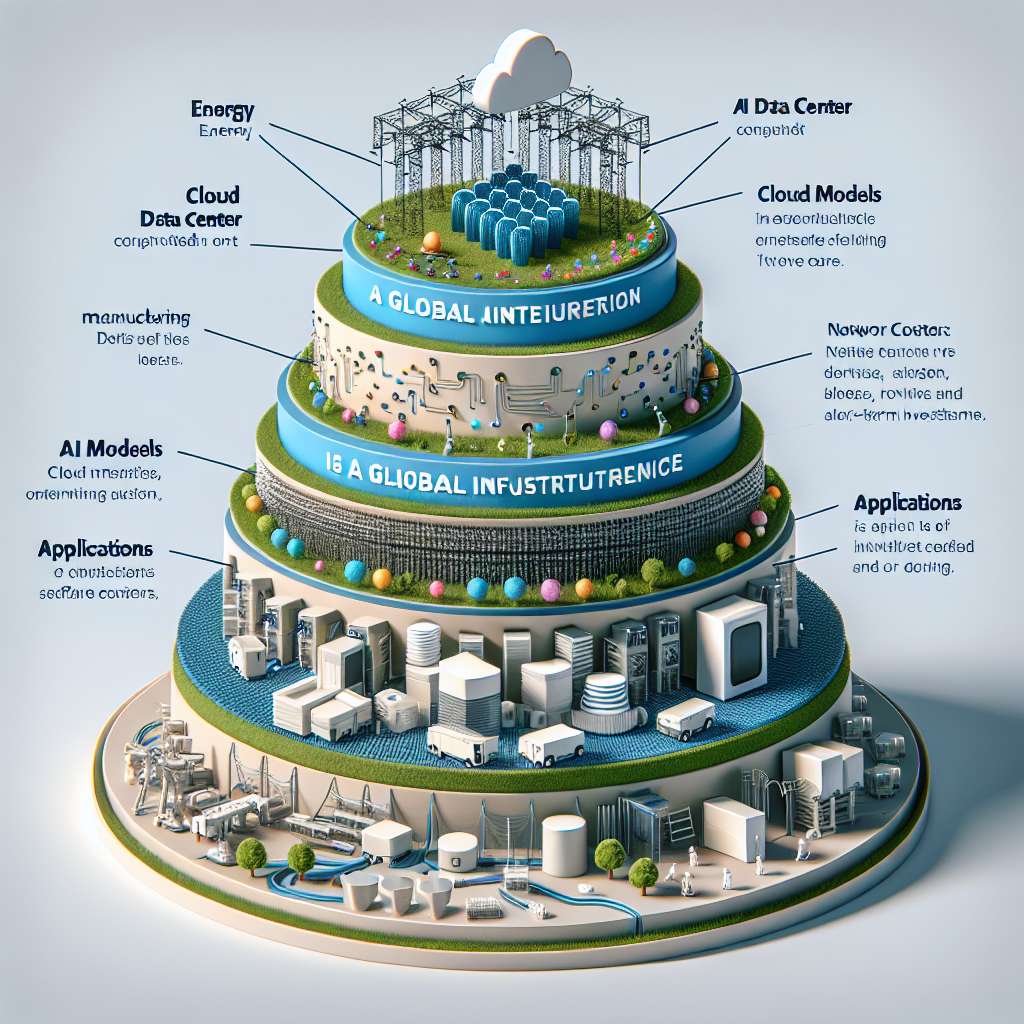
At the World Economic Forum in Davos, NVIDIA CEO Jensen Huang described Artificial Intelligence as the backbone of a massive five-layer infrastructure buildout that he says is reshaping jobs, investment, and national strategy.
Rethinking the future of Artificial Intelligence in an augmented workplace

Vanguard economist Joseph Davis argues that Artificial Intelligence is set to function as a general purpose technology that augments work, lifts productivity, and reshapes key service industries rather than triggering a dystopian wave of job losses. His team’s long-run data model suggests automation has been underused in sectors like health care, education, and finance, and that the most significant gains will come from organizations that adopt Artificial Intelligence as a copilot for human workers.
Enterprise artificial intelligence moves from pilots to practical value

Enterprise leaders at Ford, Mammoth Brands, and Box describe how they are turning artificial intelligence pilots into real productivity gains, while still treating experimentation as a priority over short-term return on investment.
Faculty concerns grow over generative artificial intelligence in student learning

A new survey from the American Association of Colleges and Universities finds faculty deeply worried that students’ reliance on generative artificial intelligence is weakening critical thinking, attention spans, and the value of a college degree, even as professors acknowledge its importance for future careers.
Looking ahead at artificial intelligence and work in 2026

MIT Sloan researchers expect 2026 to bring a widening performance gap between humans and large language models, a push to scale responsible artificial intelligence deployments, and new questions about creativity, safety, and data access in the workplace.
Model autophagy disorder and the risk of self consuming Artificial Intelligence models
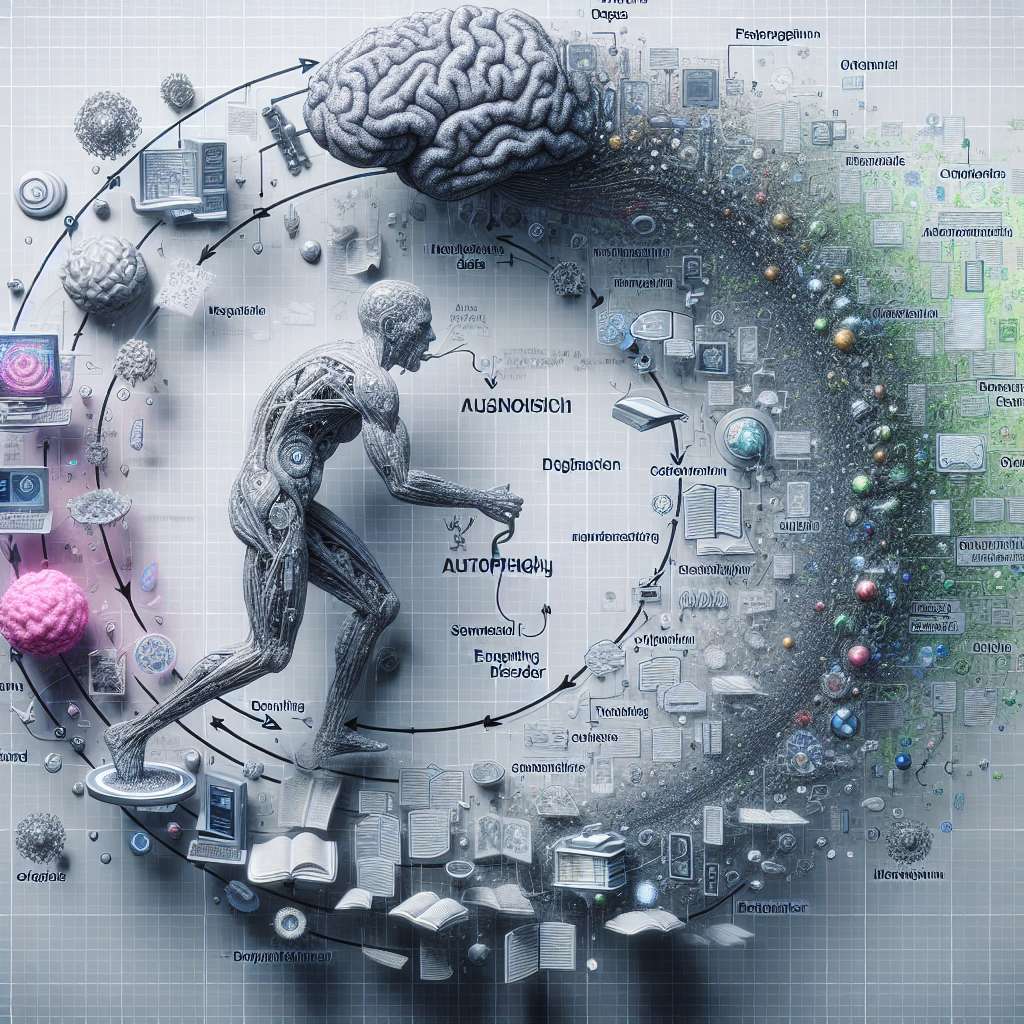
Glow New Media director Phil Blything warns that as Artificial Intelligence systems generate more online text, future language models risk training on their own synthetic output and degrading in quality. He draws a parallel with the early human driven web, arguing that machine generated content could undermine the foundations that made resources like Wikipedia possible.
Building a new operating model for enterprise retrieval augmented generation

Alkira details how it evolved from fine-tuning language models and off-the-shelf retrieval augmented generation tools to a custom hybrid architecture that combines a knowledge graph and vector search inside FalkorDB to reduce context pollution and preserve data sovereignty.
Artificial intelligence and the new great divergence

A White House research paper compares the potential impact of artificial intelligence to the Industrial Revolution and examines whether it could trigger a new great divergence among nations. The report outlines how the Trump administration aims to secure American leadership through accelerated innovation, infrastructure, and deregulation.
Nvidia N1 and N1X laptop chips target Windows on Arm this quarter

Nvidia is preparing to launch its N1X and N1 laptop processors for Windows on Arm, aiming to challenge Qualcomm’s latest Snapdragon platforms with a high core count CPU and a powerful integrated GPU.