
Introducing the body issue, OpenAI launches Atlas browser, and more

MIT Technology Review unveils its body issue exploring how science may reshape the human body, while the newsletter rounds up major developments from OpenAI’s new Atlas browser to efforts in climate and content moderation.
How Intel became central to America’s Artificial Intelligence strategy

The Trump administration took a 10 percent stake in Intel in exchange for early CHIPS Act funding, positioning the struggling chipmaker at the core of U.S. Artificial Intelligence ambitions. The high-stakes bet could reshape domestic manufacturing while raising questions about government overreach.
NextSilicon unveils processor chip to challenge Intel and AMD

Israeli startup NextSilicon is developing a RISC-V central processor to complement its Maverick-2 chip for precision scientific computing, positioning it against Intel and AMD and in competition with Nvidia’s systems. Sandia National Laboratories has been evaluating the technology as the company claims faster, lower power performance without code changes on some workloads.
UK and EU updates on forced labour, sustainability, Artificial Intelligence, and privacy

This weekly roundup covers the UK government’s response to a forced labour inquiry, new sustainability and ESG developments, fresh steps from UK digital regulators on agentic Artificial Intelligence, and a global data privacy and cybersecurity update.
DeepSeek OCR Artificial Intelligence model processes 200,000 pages a day on one Nvidia A100

DeepSeek introduced an open-source OCR context compression model that converts long documents into compact visual tokens for faster model training. The system processes about 200,000 pages per day on a single Nvidia A100 while maintaining up to 97 percent recognition precision at sub-10x compression.
Artificial intelligence assistance reduces sonographer cognitive load in fetal ultrasound without affecting accuracy

A randomized trial found Artificial Intelligence-guided fetal ultrasound scans matched standard methods for detecting congenital heart disease while shortening exam and reporting time and easing sonographer workload. The study reported about 9 minutes saved per case and lower NASA-TLX scores.
Artificial Intelligence-designed antibiotics target drug-resistant gonorrhea and MRSA

MIT researchers used Artificial Intelligence to generate and screen tens of millions of molecules, surfacing structurally distinct antibiotic candidates against Neisseria gonorrhoeae and MRSA. The top compounds appear to disrupt bacterial membranes and could be less prone to resistance.
Bionic knee integrated with muscle and bone restores more natural movement
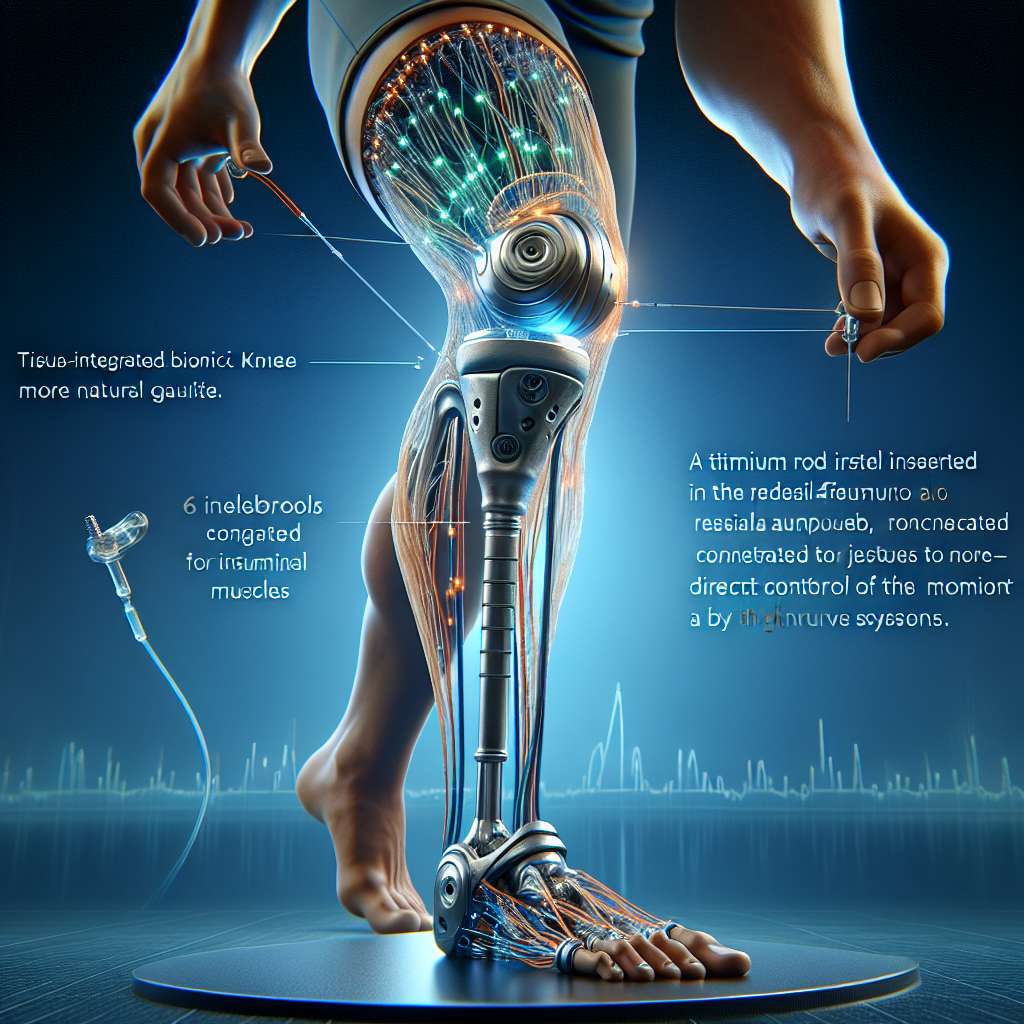
MIT researchers unveiled a bionic knee that anchors to bone and taps into residual muscle signals, improving mobility for people with above-the-knee amputations. Early clinical results show faster walking, better stair climbing, and a stronger sense of limb ownership compared with socket-based prostheses.