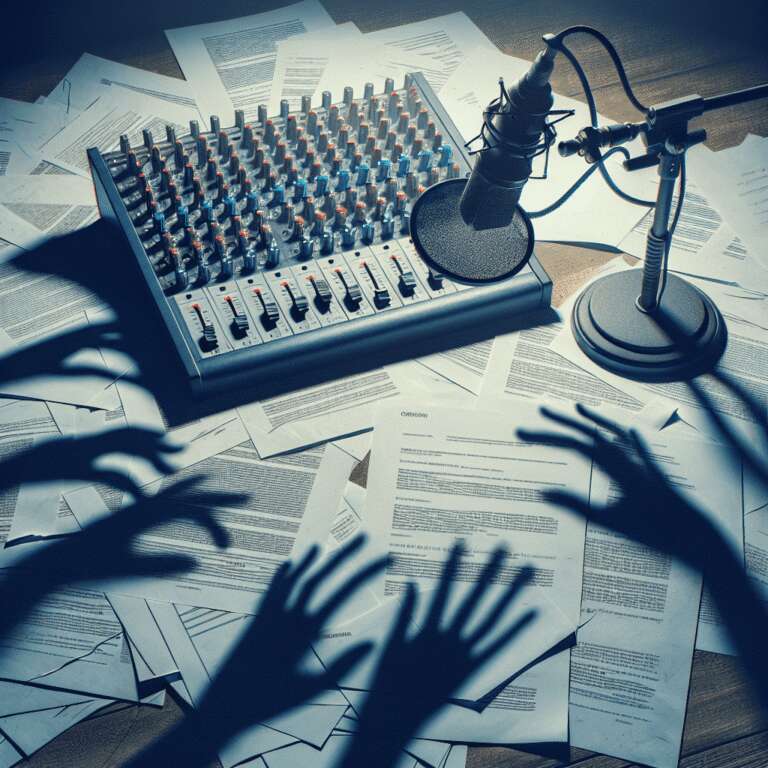
The rapid adoption of Artificial Intelligence-powered dubbing technologies has revolutionized content localization but also introduced significant risks associated with insufficient clearance and improper licensing. Unauthorized use of original audio, scripts, and voice likenesses exposes stakeholders to copyright infringement, costly legal disputes, and reputational damage. Incomplete or ambiguous licensing agreements add further uncertainty, potentially leading to content takedowns, lawsuits, and financial penalties, while cross-border legal variations create additional hurdles for international content distribution.
Clearance in Artificial Intelligence dubbing requires securing explicit rights to use original and derivative audio-visual elements, and ensuring that the application of voice recognition and synthesis technology remains ethically sound. Challenges emerge especially around the ownership and rights to voice and script materials, which often involve multiple stakeholders and complex jurisdictional considerations. Voice licensing complexities persist due to unclear definitions of voice ownership and insufficient contract clarity on modifications and the reach of Artificial Intelligence-generated content. Similarly, securing script rights demands identification of all parties and thorough permission agreements to permit use, adaptation, and distribution. Without rigorous rights management, content creators risk infringing on intellectual property, while ethical issues such as unauthorized voice reproduction or non-consensual script usage erode trust in automated dubbing workflows.
The global proliferation of Artificial Intelligence dubbing tools further complicates compliance as legal interpretations of rights and permitted use vary sharply across countries. This impacts not only market access and monetization but also cultural and linguistic authenticity, which are critical for audience acceptance and satisfaction. Several legal disputes involving dubbing technologies underscore the growing emphasis courts are placing on detailed contracts, explicit rights clearances, and fair treatment of creative contributors. The most prudent approach for those deploying Artificial Intelligence dubbing tools involves conducting comprehensive rights audits, formulating robust and transparent licensing contracts, leveraging automated rights management systems, and engaging legal specialists in intellectual property. Adopting such principled frameworks is essential to reap the localization benefits offered by Artificial Intelligence dubbing technology while safeguarding creative assets, ensuring legal compliance, and maintaining ethical standards throughout an ever-expanding global content environment.