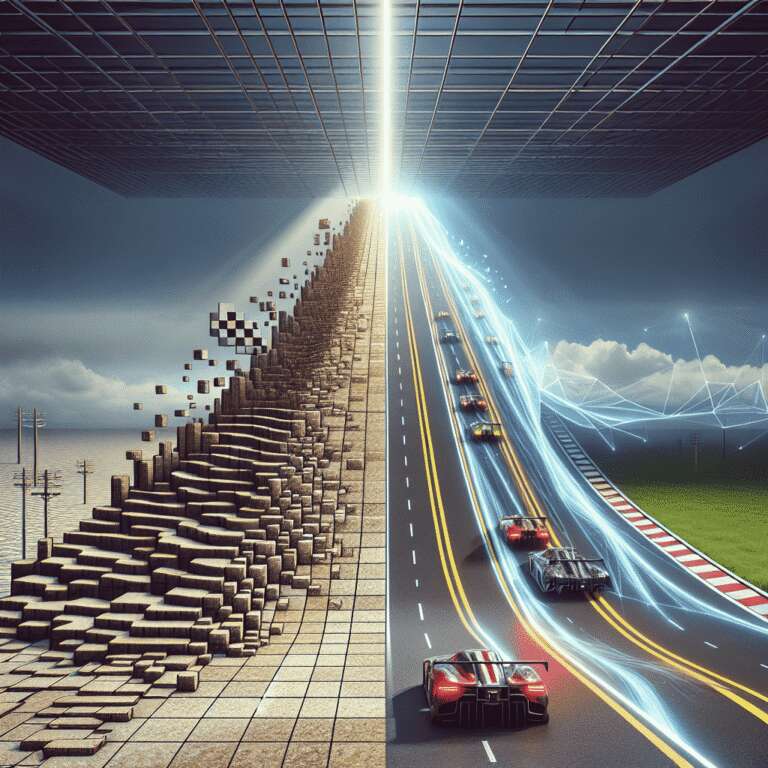
The Nintendo Switch 2, unveiled on April 2, introduces a new level of performance by incorporating a custom NVIDIA processor. This processor features an NVIDIA GPU equipped with dedicated RT Cores and Tensor Cores, enabling stunning visuals and enhancements powered by Artificial Intelligence. This latest hardware development represents 1,000 engineer-years of effort, covering system and chip design, custom GPU development, and robust API and development tool creation.
The console supports up to 4K gaming in TV mode and delivers up to 120 frames per second at 1080p in handheld mode. Additionally, the Nintendo Switch 2 offers high dynamic range and AI upscaling capabilities, ensuring sharpened visuals and seamless gameplay experiences. The RT Cores afford players access to real-time ray tracing, resulting in lifelike lighting and shadows for a more immersive gaming experience. Furthermore, Tensor Cores enable AI-driven features such as Deep Learning Super Sampling (DLSS) which enhances resolution and image quality, as well as AI-powered face tracking and background removal during video chats, enhancing social aspects of gaming and streaming.
With 10 times the graphics performance compared to its predecessor, the Nintendo Switch 2 ensures smoother gameplay and superior visual quality. Noteworthy is the implementation of NVIDIA´s G-SYNC technology, facilitating an ultra-smooth, tear-free gaming experience by providing a variable refresh rate in handheld mode. For developers, enhanced game engines, improved physics, and optimized APIs allow for faster and more efficient game creation, solidifying the console´s ability to provide upgraded experiences for both players and developers alike.