Artificial Intelligence is changing more than tools and workflows. It is creating new inputs, outputs and audiences for brands. The article argues that generative Artificial Intelligence produces synthetic data and new content formats, and that llms and agents are increasingly mediating consumer decisions. Marketers therefore need to think about how brands reach, appear in and are interpreted by these machine audiences as well as by humans.
Search is being reshaped rather than dying. Zero-click results, generative search summaries and embedded conversational responses are reducing traditional click traffic, while longer research sessions in conversational platforms shift the dynamics of discovery. The piece introduces generative engine optimisation, or geo, as a discipline that shapes how generative systems perceive and present brands so they are cited in model answers. Tools such as the Share of Model platform, built by Jellyfish as part of the Brandtech Group, surface brand visibility, perception and citation rates inside models.
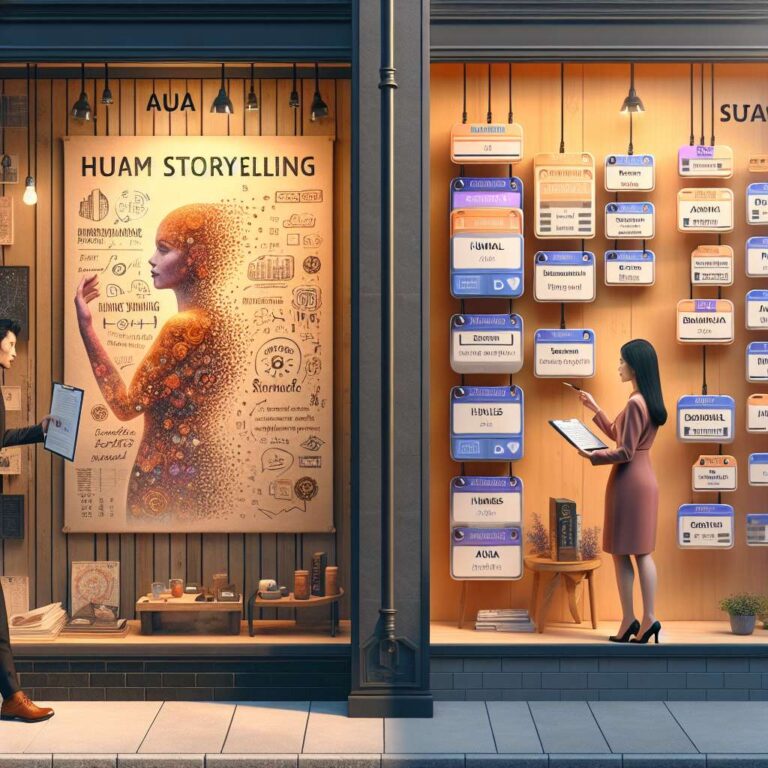
The article stresses that human and machine audiences require different approaches. Humans need emotionally engaging, memorable advertising and short-form rewards, while llms demand well-structured, authoritative and information-dense content. Brand narratives must therefore serve a dual purpose: they must build emotional associations for people and provide consistent, machine-readable signals so models recommend the brand for relevant category entry points. Examples include how rivian can have different levels of human and model awareness and how shopping agents such as Amazon’s Rufus act as brand representatives.
Practical implications include translating tone of voice into machine-readable guidance through prompt testing, engineering campaigns to generate earned citations in data sources used to train models, and aligning product, seo, content and ad strategy under a single brand strategy. Consistency across human-facing creative and structured content for models is crucial. Brands that build mental availability for people and model availability for machines, while ensuring physical and digital availability, will be best positioned for choice by both humans and agents.