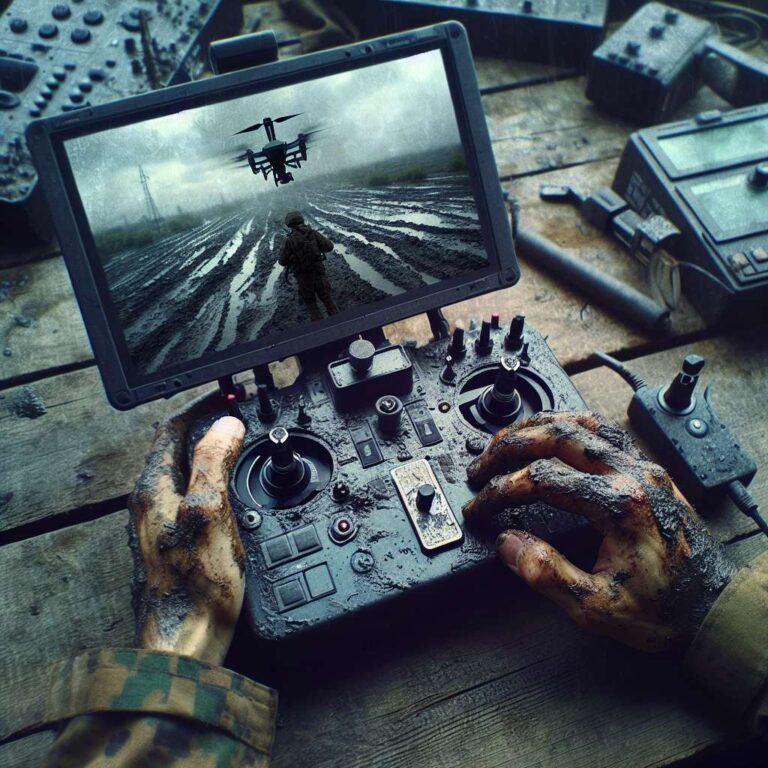
Despite widespread anticipation, machine vision and artificial intelligence technologies embedded in Ukraine´s military drones have not yet transformed the battlefield as some had forecast. Early hopes pinned on self-navigating, independently targeting drones have not fully materialized, with the current generation of systems falling short of game-changing capability. Challenges remain in reliability, adverse conditions, and adaptability, leaving operators still highly involved in drone deployment and targeting.
Ukrainian forces have incorporated a range of artificial intelligence enhancements, but these systems continue to rely on human oversight for key decisions and navigation. Machine vision can assist in threat identification and some autonomous behaviors, yet is hampered by environmental challenges like battlefield debris, electronic countermeasures, and unpredictable enemy defenses. The marriage of sophisticated algorithms with rugged, real-world performance has proven more elusive than many advocates originally believed.
While innovators continue to trial new models and iterate on both hardware and software, the much-hyped leap to fully autonomous, battlefield-dominating drones has yet to arrive. Experts maintain that artificial intelligence´s breakthrough moment in combat is likely still ahead, as the technology matures and developers address limitations. For now, machine vision serves as a useful enhancement, not a substitute for the complex decision-making of Ukraine´s drone operators.