Video games have repeatedly driven practical advances in technology by demanding higher visual fidelity, richer interaction, and robust simulation. The gaming industry pushed 3d graphics forward with innovations such as anti-aliasing, real-time ray tracing, and photorealistic textures. Engines originally designed for entertainment, including unreal engine, have been repurposed for aerospace simulations, architectural renderings, and television production. The quest for immersive visuals also accelerated gpu development, which today supports not only graphics but large-scale data processing and deep learning.
Beyond visuals, gaming environments became testing grounds for simulation and training tools that migrated into professional contexts. Flight simulators and titles like microsoft flight simulator were used in semi-professional training as early as the 1990s. Virtual reality headsets first targeted at gamers are now applied in medicine for surgical simulation, in industrial training, and in emergency response preparation. Game design techniques such as level progression and immediate feedback have informed educational and professional training programs, demonstrating how playful mechanics can structure effective learning and skill acquisition.
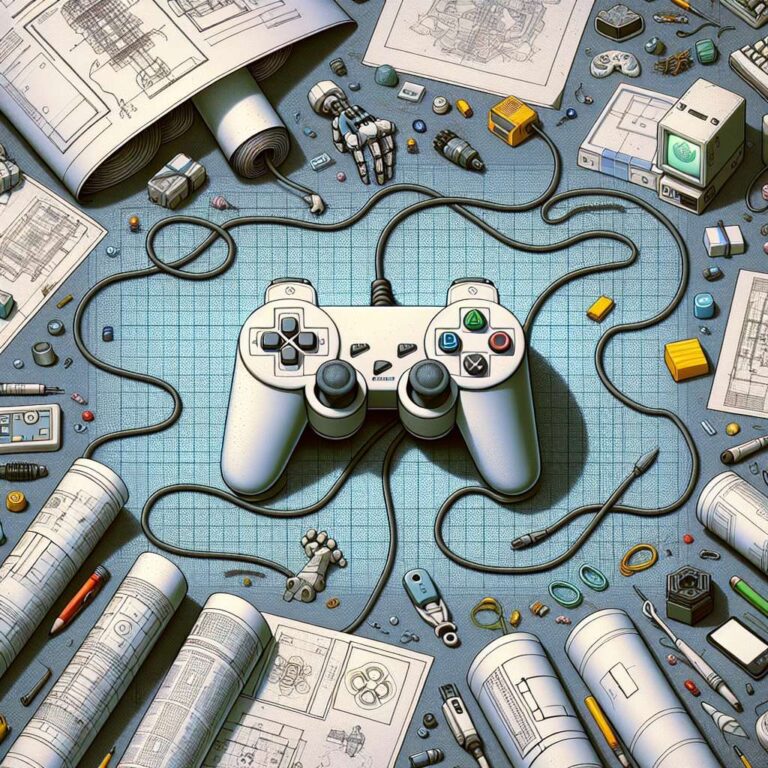
Artificial Intelligence research has also benefited from game-based experimentation. Pathfinding algorithms, neural networks that learn to play, and sophisticated non-player characters were refined in controlled game settings. High-profile projects such as deepmind´s alphago trace roots to game testing, and methods developed in games are now used to train robots, manage self-driving systems, and optimize logistics. Input innovations that began in consoles, from gesture-based controllers like nintendo´s wiimote to microsoft´s kinect, inspired applications in surgical robotics, assistive living, and hands-free industrial control. Modern vr controllers from Meta and Valve extend that lineage into telemedicine, robotic surgery, and collaborative remote design. Today, companies including Nvidia, Epic Games, Sony, and Meta operate at the intersection of gaming and applied technology, underscoring how play-driven experimentation builds many of the tools used across industries.