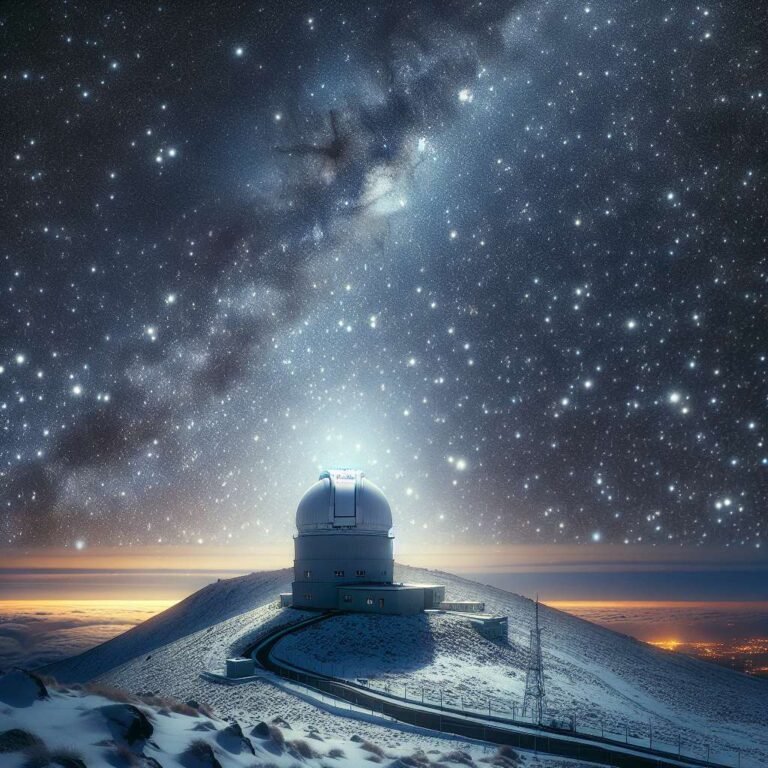
The Vera C. Rubin Observatory has released its long-awaited first images, captivating astronomers and the public alike with dazzling vistas of galaxies, nebulas, and countless stars. Captured with unprecedented detail, these images offer a glimpse into phenomena as diverse as galaxy mergers, plumes of ancient starlight, and bridges of stars stretching across the cosmos. Among these marvels are illuminated patches of the Virgo Cluster and resplendent scenes of the Trifid and Lagoon nebulas—regions where new stars are continuously forming.
This debut is more than just visually arresting. In a matter of hours, the observatory identified over 2,000 previously unknown asteroids, including several that skirt near Earth’s orbit, highlighting Rubin’s potential to revolutionize both scientific knowledge and planetary security. The observatory’s decade-long survey is expected to catalogue up to 89,000 near-Earth asteroids, millions in the belt between Mars and Jupiter, and tens of thousands of icy objects beyond Neptune. By rapidly expanding the known inventory of solar system bodies, the Rubin Observatory is poised to transform our understanding of planetary formation and help safeguard Earth from potential impacts.
Equipped with a 3,200-megapixel digital camera and stationed atop Chile’s Cerro Pachón, the Rubin Observatory is uniquely designed to document myriad celestial phenomena. Its massive mirrors and advanced image-processing systems enable it to survey the entire visible sky every few days, unveiling the universe’s dynamic changes—such as exploding supernovas and shifting galaxies—in near real-time. This technological prowess not only refines astronomers’ ability to contextualize cosmic events, like tracking supernovas to their host galaxies, but also fosters rapid discovery and response through global computer networks. Astronomers hail the Rubin Observatory’s debut as a generational leap, promising an era of relentless discovery and a surge in our knowledge of the universe’s evolution, structure, and hidden threats. As the observatory embarks on its ambitious survey, the scientific community braces for a decade of discovery and excitement—‘the roller-coaster starts now.’