
US to allow Nvidia H200 chip shipments to China, Trump says

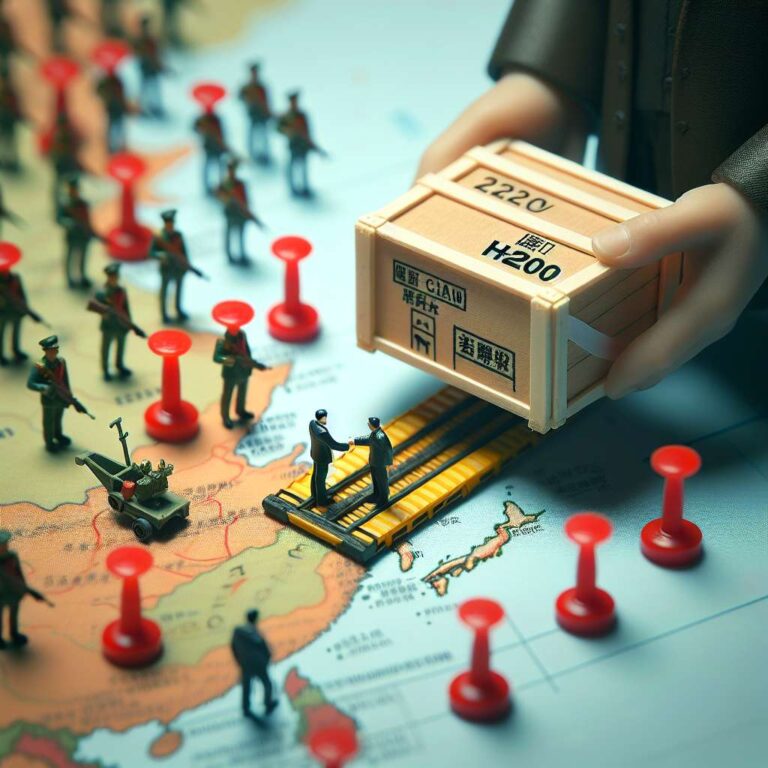
President Donald Trump said the United States will allow shipments of Nvidia H200 chips to China, while voicing concerns about Artificial Intelligence chips aiding China’s military and noting the same approach would apply to AMD and Intel.

President Donald Trump said the United States will allow shipments of Nvidia H200 chips to China, according to a report datelined WASHINGTON, Dec 8 (Reuters). The remark directly references the Nvidia H200 model and signals a change or clarification in U.S. export posture toward that specific chip, as presented in the available text.

The report notes U.S. concerns that Artificial Intelligence chips could aid China’s military. Trump also said the same approach would apply to AMD and Intel, indicating the administration is treating chips from multiple major suppliers under a common policy framework. Those three company names-Nvidia, AMD and Intel-are cited in the provided content as central to the announced position.

The supplied article text is truncated and does not include additional details such as the timing, scope, licensing conditions, specific export rules, or official statements from agencies that would normally implement export controls. The excerpted material limits the available facts to the statements attributed to Trump, the reference to concerns about Artificial Intelligence chips and military use, and the Reuters dateline WASHINGTON, Dec 8. Further reporting would be required to confirm regulatory changes, technical specifications, or how the policy would be operationalized for different chip makers and recipients in China.
70

Impact Score

Hyperscalers accelerate custom semiconductor and artificial intelligence infrastructure deals in early 2026

Hyperscale cloud providers are ramping multi-gigawatt semiconductor deals across GPUs, custom accelerators, and optical interconnects, with Meta, Google, OpenAI, and Anthropic locking in long-term capacity. Broadcom, AMD, NVIDIA, Marvell, Intel, and MediaTek are reshaping data center and networking roadmaps around custom artificial intelligence silicon and rack-scale systems.

How NotebookLM navigates copyright, contracts, and privacy in academic use

NotebookLM’s retrieval-augmented design can keep faculty and students on safer legal ground than general Artificial Intelligence chatbots, but only if copyright, publisher terms, and FERPA constraints are respected. Educators are urged to distinguish between fair use, contractual text and data mining limits, and ownership of Artificial Intelligence generated materials.

Contact Us

Got questions? Use the form to contact us.

Contact Form

Clicking next sends a verification code to your email. After verifying, you can enter your message.