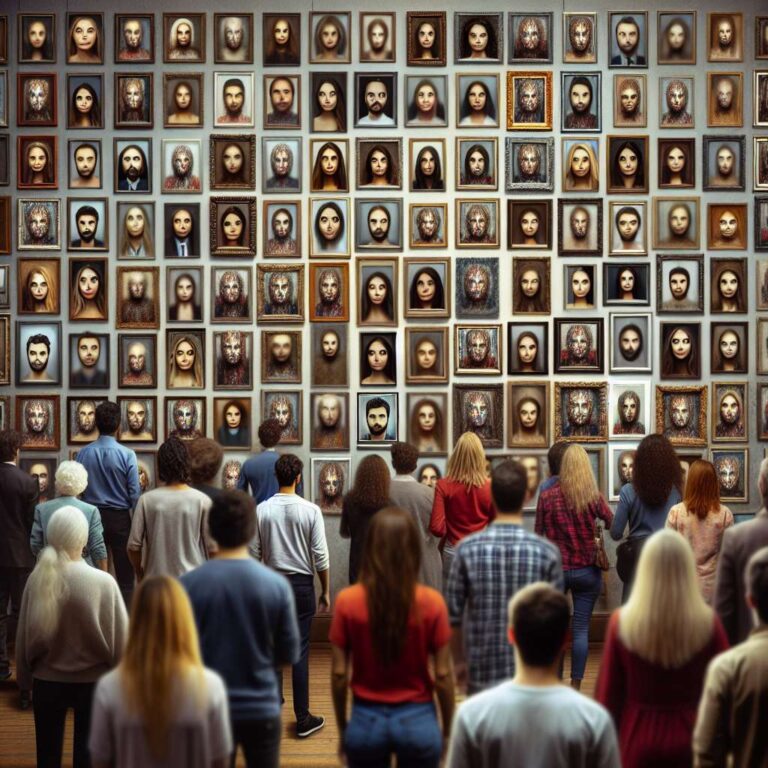
Deepfake technology harnesses artificial intelligence to enable seamless face swapping in videos and photos, revolutionizing the way digital content is made and consumed. Advanced tools now allow users—ranging from casual creators to professionals—to perform realistic facial manipulations for entertainment, education, marketing, and research applications. With increasing sophistication, platforms such as MaxStudio, BasedLabs, DeepfakesWeb, DeepSwap.ai, D-ID, and Free Deepfake Maker present a wide spectrum of features catering to both accessibility and specialist requirements.
MaxStudio´s Ghibli Filter & AI Face Swap stands out with its browser-based operation, allowing users to apply anime-inspired filters, multi-face swaps, and unique add-ons like age transformation or holiday looks. Designed to be developer and business-friendly, it includes a fast rendering API, free entry-level offerings, and a credit-based system for premium features. BasedLabs, on the other hand, emphasizes instant, ultra-realistic face swaps for influencer images, memes, and viral edits—prioritizing privacy and quick results at zero cost. This platform is also part of a larger ecosystem, integrating tools for AI-generated selfies, outfits, art, and even music or writing assistants.
For video-centric users, DeepfakesWeb and DeepSwap.ai both offer advanced artificial intelligence models for high-quality swaps. DeepfakesWeb leverages cloud computing to make deepfake rendering hardware-free, privacy-centric, and accessible to a broad user base, from video editors to researchers. DeepSwap.ai specializes in speed and realism, supporting multi-face exchanges even in complex, high-resolution scenes, and offers both free trials and premium subscription options for demanding projects. Meanwhile, D-ID caters to the enterprise market, generating lifelike AI-powered avatars and multilingual videos for education, marketing, and customer service, with seamless integration into popular business tools and strong privacy safeguards.
Complementing these are entry-level offerings like Free Deepfake Maker, which provides totally free, straightforward face swapping for images (with video features coming soon), designed for experimentation and social sharing without any sign-up. Throughout the landscape, privacy and ethical considerations remain front and center. Vendors are integrating privacy assurances, data non-retention, and watermarking to encourage responsible use. As deepfakes become more powerful and accessible, users are urged to approach these tools with mindfulness, respecting individual consent and broader ethical guidelines while embracing creative possibilities made available by artificial intelligence.