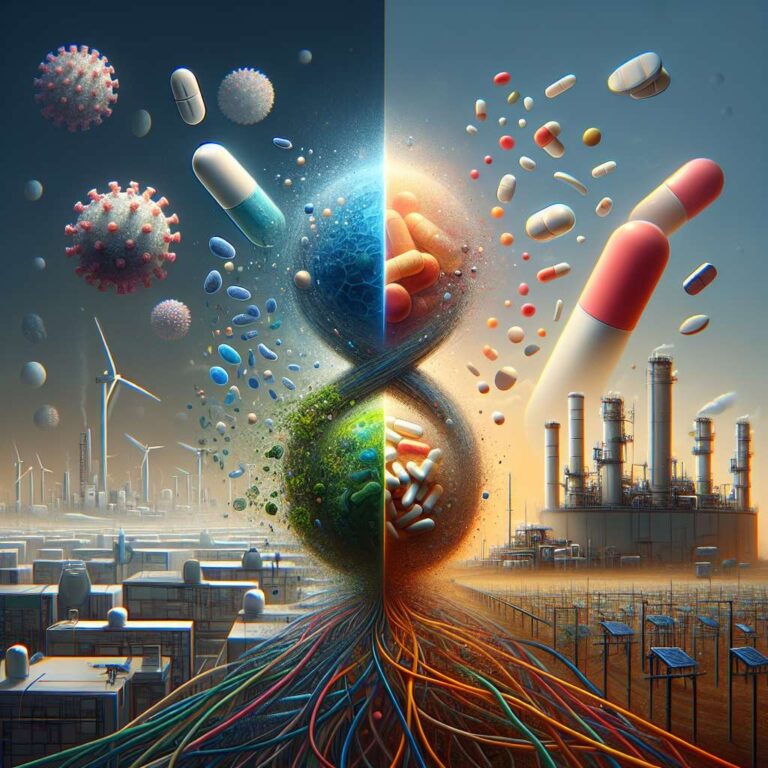
The latest edition spotlights how generative tools are reshaping creativity, the growing danger of resistant infections, and the rise of a Chinese clean energy heavyweight. It also surveys a wave of surveillance, deepfake, and consumer-tech headlines, capped by a striking new demonstration of hyperrealistic synthetic video.
Despite an era of Artificial Intelligence slop, artists using systems such as Midjourney and Runway with care and intention are breaking through. A cohort of dedicated creators is building large online followings, selling works at auction, and securing placements in galleries and museums, signaling a new phase in the acceptance of Artificial Intelligence art.
A World Health Organization alert underscores that antibiotics are increasingly failing against common bacterial infections of the blood, gut, and urinary tract. The newsletter frames antimicrobial resistance as a fundamental threat to modern medicine, noting that for a growing number of cases there is a real chance antibiotics will not work.
On the climate front, Envision Energy, among China’s largest wind turbine makers, is expanding into batteries, green hydrogen, and industrial parks designed to run heavy industry on clean power. With flagship projects in Inner Mongolia and new overseas ventures, the company is testing whether renewables can decarbonize sectors that electricity alone cannot reach. It features on a list of 10 climate tech companies to watch.
The must-reads include a snapshot of intensifying surveillance: US immigration authorities have recently purchased iris-scanning technology, spyware, and location-tracking tools, while Amazon’s Ring unit is partnering with Flock Safety and Axon to share footage for criminal investigations. OpenAI has blocked users from generating videos of MLK Jr. in Sora after reports of disrespectful depictions, and a New Jersey teenager is suing the owners of the nudifying app ClothOff after a classmate used her image to make fake nudes.
Other headlines: plug-in hybrids are emitting far more than official estimates, nearing diesel levels; South Korea has barred travel to Cambodia amid kidnappings into scam compounds; the internet is increasingly weaponized against trans people; generative Artificial Intelligence is poised to put consumers inside personalized ads; Artificial Intelligence companies are pushing up San Francisco rents; and Samsung is showing a tri-folding phone that attendees cannot handle.
The quote of the day comes from a court fight over music piracy, with Cox Communications warning about extreme disconnections. One more thing highlights Synthesia’s latest generative Artificial Intelligence avatars, which produce hyperrealistic, expressive deepfakes, including a convincing synthetic clone of former senior Artificial Intelligence reporter Melissa Heikkilä. For levity, the edition nods to the real photo behind Windows 10’s blue desktop, a tribute to Ace Frehley, a French long-distance food trail, and Halloween-ready tours of America’s spookiest cities.