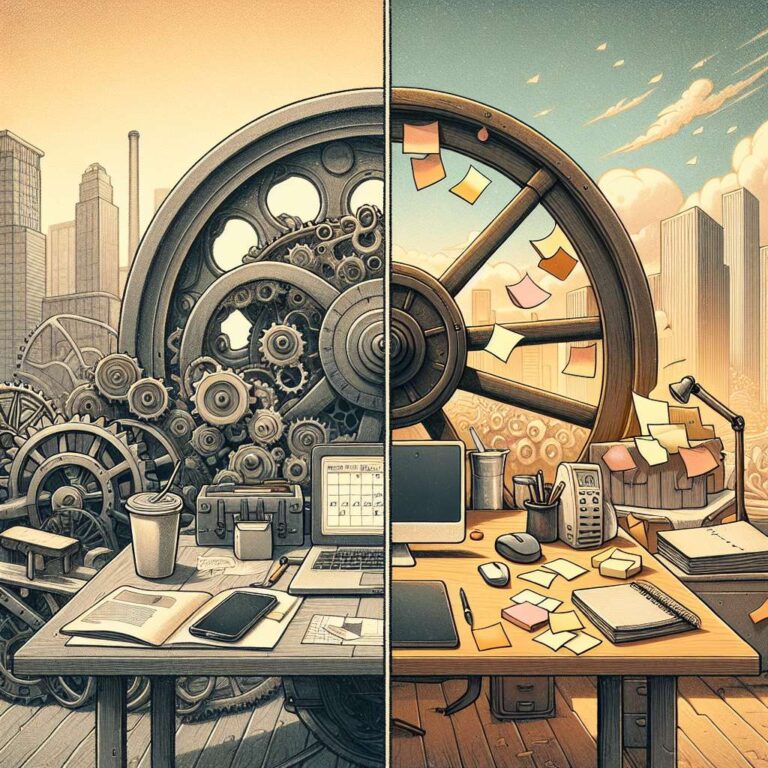
The newsletter frames a central debate about the trajectory of Artificial Intelligence through to 2030, contrasting two poles of opinion. One camp argues the coming decade could see impacts that exceed the Industrial Revolution, described in the piece as a 150-year period of upheaval. At the other end is what the writers call ‘Normal Technology’, a perspective that cautions change across the wider economy and society moves at human speed, with adoption and acceptance often lagging cutting-edge advances. The conversation between MIT Technology Review’s senior Artificial Intelligence editor Will Douglas Heaven and Tim Bradshaw, Financial Times global tech correspondent, is presented as a capstone to a series called The State of AI, a collaboration between the Financial Times and MIT Technology Review.
The newsletter also spotlights how Artificial Intelligence is altering the economy and markets. An editorial event bringing together Mat Honan, David Rotman and Richard Waters is scheduled at 1pm ET today to discuss industry shifts. The must-reads list highlights policy and product moves: a proposed federal order on state regulation of Artificial Intelligence tied to political pushback; Google’s smart glasses arriving in 2026; the approval for Nvidia to sell powerful Artificial Intelligence chips to China with the US taking a 25% cut of sales; and a growing backlash to the data center boom that has prompted demands from more than 200 environmental groups for a moratorium. Social impacts are flagged too: A quarter of teens are turning to Artificial Intelligence chatbots for mental health support, and clinicians are increasingly experimenting with the tools.
The newsletter closes with a quoted comment about young activists and tech companies and a cultural feature on the history of Chinese input methods by Veronique Greenwood. It mixes analysis of long-term scenarios with a brisk roundup of headlines-policy, products, infrastructure and culture-framing Artificial Intelligence as a pervasive force whose ultimate effects will be shaped by politics, economics and everyday adoption over the next five years.