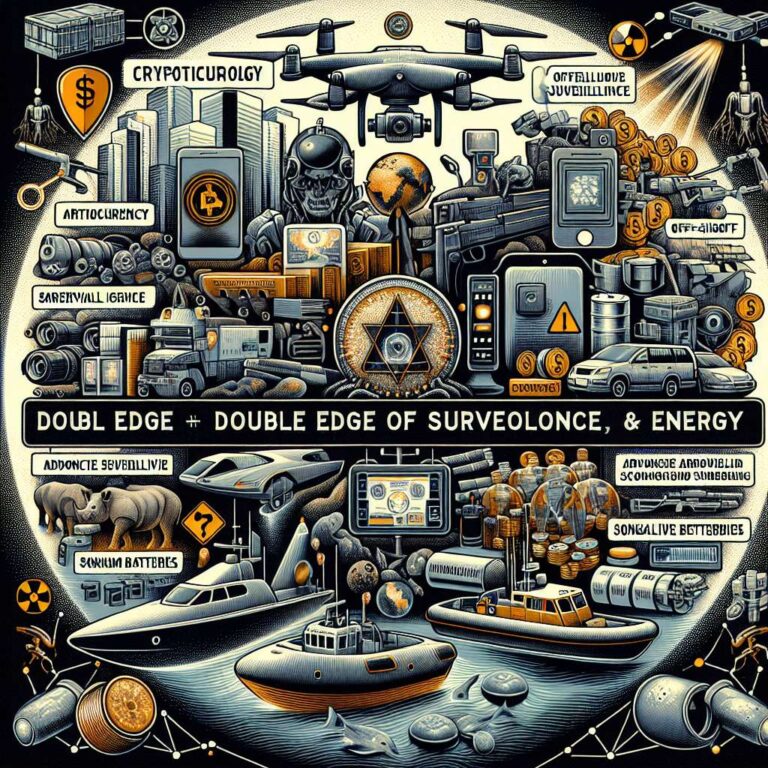
Technology is intensifying the cat and mouse dynamic between criminals and law enforcement, with tools like cryptocurrency and off-the-shelf autonomous autopilots lowering the barrier to committing sophisticated crimes. At the same time, pervasive surveillance systems and digital infrastructure are giving governments and police powerful new capabilities to detect, track, and prosecute offenders, often raising concerns about fundamental civil rights. New reporting explores this tension through cases such as cyber security researcher Allison Nixon’s hunt for anonymous online death threats, the role of artificial intelligence in making certain online crimes easier while undercutting hype around so-called superhacks, and the darker side of crypto’s permissionless financial systems.
Urban surveillance emerges as a central example of this trade-off, with Chicago deploying a vast monitoring system that includes tens of thousands of cameras to watch residents in the name of public safety, a setup privacy advocates liken to a panopticon. Other stories examine how modern thieves are quietly stealing luxury cars despite advanced manufacturer security, and how uncrewed narco submarines are poised to change the way drug smuggling operations evade patrols at sea. Conservationists are also co-opting technology for protection rather than harm, employing tools such as radioactive tagging of rhinos to combat wildlife traffickers by making stolen animal products easier to detect and trace.
Beyond crime and security, sodium-based batteries are gaining attention as a cheaper and safer alternative to lithium-ion cells, with the technology beginning to appear in cars and large-scale grid storage, and being named among MIT Technology Review’s 10 Breakthrough Technologies of 2026. The broader tech news cycle highlights mounting geopolitical and commercial tensions around artificial intelligence access, as the Pentagon reportedly pressures Anthropic to provide full Claude access while the company resists easing military restrictions. Meta is hedging its chip strategy by signing a major deal with AMD shortly after committing to millions of Nvidia units to power its artificial intelligence infrastructure. Other notable threads include widespread chatbot-assisted cheating among students, Ukraine’s rapid construction of a domestic drone industry it hopes to export, the US FDA’s removal of a warning about ineffective autism treatments, surging US solar usage, a new app that detects nearby smartglasses, and experiments with artificial intelligence clones of executives and presenters.