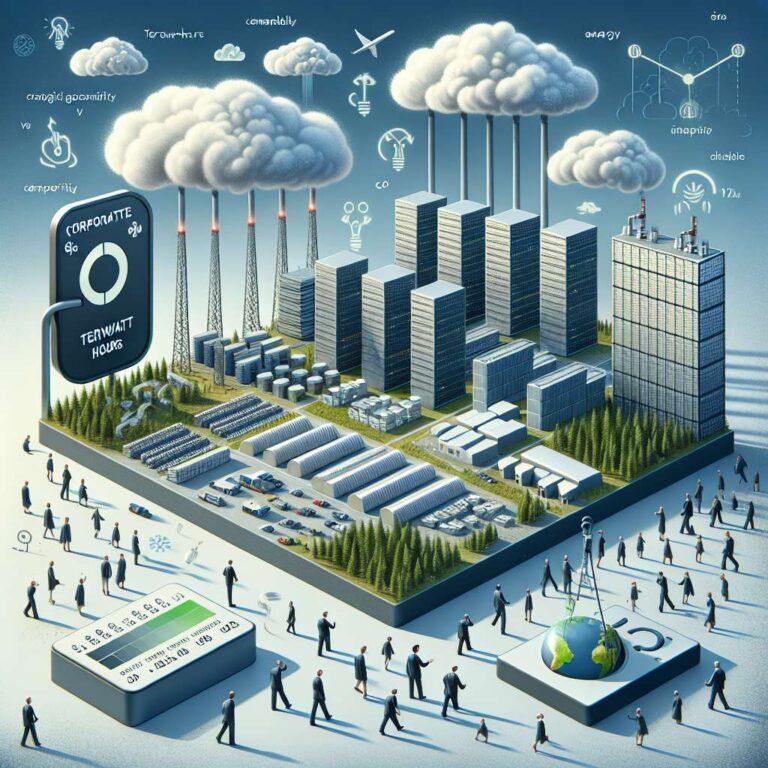
At social gatherings the question is common: should individuals avoid using Artificial Intelligence because it is bad for the environment? The author, a climate technology reporter, argues that minute per-query energy estimates should not be the focus. While data centers could consume up to 945 terawatt-hours annually by 2030, roughly as much as Japan, the real issue is where responsibility lies for that growth.
Comparing the current debate to the popularization of the carbon footprint, the piece says framing responsibility as an individual burden can deflect attention from corporate and policy solutions. Big tech firms sometimes highlight low per-use figures. Recent reports estimate a chatbot query uses about 0.3 watt-hours, similar to powering a microwave for a second. Those numbers are accurate at the micro level but risk obscuring the macro trend: companies are building vast, energy-hungry infrastructure. Meta is building a data center in Louisiana with five gigawatts of computational power, roughly the same summer peak demand as the state of Maine.
Artificial Intelligence is already embedded across services from search and email to customer support, so personal abstention is not a comprehensive answer. The article calls for systemic responses: companies should disclose total energy and water use and explain their calculation methods, and lawmakers should mandate those disclosures. Per-query accounting is a start but insufficient without transparency about how impacts scale across billions of users and change over time.
There are modest individual choices that make sense. Generating videos and using reasoning models for long prompts are relatively energy intensive, while asking a chatbot to plan a day or summarize a long email has minor impact. The central point is clear: don’t fixate on small personal footprints. Keep attention on how the Artificial Intelligence industry will affect electrical grids, communities, and the planet and press for corporate and policy accountability.